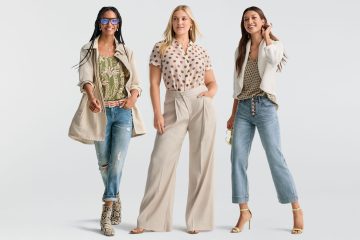
The Evolution of Fashion and Its Influence on Modern Life

Fashion has always been closely connected to the way people live, communicate, and express themselves. What people wear can reflect their personality, culture, profession, interests, and even the social changes happening around them. From traditional clothing to modern streetwear, fashion continues to evolve while remaining an important part of everyday life. Today, the fashion world combines creativity, technology, sustainability, and personal expression in ways that were difficult to imagine decades ago.
How Fashion Has Changed Over Time
Fashion has never remained static. Clothing styles have changed significantly throughout history because of cultural movements, economic conditions, technological developments, and changing lifestyles. Earlier generations often followed formal dress codes, while modern consumers have greater freedom to combine different styles.
The rise of ready-to-wear clothing made fashionable garments more accessible to a wider audience. Later, television, magazines, celebrities, and music helped popularize new trends. Today, social media has made fashion more dynamic than ever. A new style can gain attention worldwide within hours, allowing trends to move rapidly between countries and communities.
The Role of Personal Style
One of the most important aspects of modern fashion is personal style. Instead of simply copying popular trends, many people now focus on creating outfits that represent who they are. Personal style can include everything from minimalist clothing and classic fashion to vintage looks, streetwear, athletic-inspired outfits, and bold contemporary designs.
Developing personal style takes time. It often involves experimenting with different colors, patterns, textures, and silhouettes. People may discover that certain clothing combinations make them feel more comfortable and confident. Over time, these preferences can become a recognizable fashion identity.
Fashion Trends and Everyday Clothing
Fashion trends influence what appears in stores, magazines, online platforms, and social media feeds. Some trends last for years, while others become popular for only a short period. Popular styles may include oversized clothing, neutral colors, vintage-inspired designs, relaxed tailoring, statement accessories, or sustainable fabrics.
However, fashionable clothing does not always need to be dramatic. Small changes can refresh an everyday outfit. Adding a stylish jacket, changing footwear, experimenting with accessories, or introducing a new color can create an entirely different appearance.
The key is to choose trends that work with an individual’s lifestyle. Someone who spends most of the day at work may prioritize polished and comfortable clothing, while a student or creative professional may have more freedom to experiment with casual or expressive outfits.
The Importance of Quality and Comfort
Fashion is not only about appearance. Quality and comfort are equally important when choosing clothing. Well-made garments can maintain their shape and appearance for longer, making them practical additions to a wardrobe.
Fabric selection also affects comfort. Breathable materials may be preferable in warm weather, while heavier fabrics can provide warmth during colder seasons. Understanding how different materials feel and perform can help shoppers make better clothing decisions.
Proper fit is another major factor. Clothing that fits well can improve the overall appearance of an outfit regardless of its price. Rather than focusing solely on brand names, consumers can pay attention to construction, stitching, fabric, sizing, and versatility.
Sustainable Fashion Choices
Sustainability is becoming increasingly important within the fashion industry. Consumers are paying greater attention to how garments are produced, what materials are used, and how long clothing can remain useful.
Sustainable fashion encourages people to think carefully before making purchases. Choosing versatile garments, repairing damaged clothing, donating unwanted items, and purchasing secondhand pieces can help reduce unnecessary waste. Building a wardrobe around durable essentials can also reduce the need to frequently replace clothing.
Sustainable fashion does not mean abandoning style. In many cases, timeless designs, high-quality materials, and thoughtful shopping can create a wardrobe that remains fashionable for many years.
Technology and the Future of Fashion
Technology is transforming the fashion industry in numerous ways. Online shopping allows consumers to explore clothing collections from almost anywhere, while digital tools help brands design, produce, and market garments more efficiently.
Artificial intelligence, virtual fitting technologies, digital fashion, and innovative textiles are also creating new possibilities. These developments may make shopping more personalized and help consumers discover clothing that better matches their preferences.
Social media will continue to influence fashion as well. Independent designers and small clothing brands can now reach audiences without depending entirely on traditional advertising or physical stores.
Conclusion
Fashion is a constantly changing form of creativity and communication. Although trends influence what people wear, personal style, comfort, quality, and individuality remain essential. As consumers become more conscious of sustainability and technology continues to reshape the industry, fashion is likely to become even more diverse and innovative. Ultimately, the most successful approach to fashion is one that combines modern inspiration with personal confidence and practical choices.