Fashion: Understanding Style, Trends, and Personal Expression

Fashion is more than choosing attractive clothes or following the latest trends. It is a form of personal expression that reflects culture, personality, lifestyle, and creativity. From everyday outfits to designer collections, fashion influences how people present themselves and how they feel in different situations. While trends constantly change, the most meaningful approach to fashion combines comfort, individuality, quality, and confidence.
What Is Fashion?
Fashion refers to the styles and trends associated with clothing, accessories, footwear, beauty, and overall appearance. It can range from casual streetwear and classic outfits to luxury fashion and contemporary designs. Fashion changes as society evolves, influenced by music, art, technology, entertainment, social movements, and cultural traditions.
The fashion industry includes designers, clothing brands, manufacturers, stylists, retailers, photographers, and countless creative professionals. Together, they shape the styles that appear on runways, in stores, on social media, and in everyday life.
Why Fashion Matters
Fashion plays an important role in communication. Before people even speak, their clothing choices can communicate aspects of their personality and mood. A carefully selected outfit may create a polished appearance for work, while relaxed clothing can provide comfort during casual activities.
Fashion also allows people to experiment with their identity. Different colors, fabrics, patterns, silhouettes, and accessories can help individuals discover what suits them best. Personal style does not have to follow every popular trend. In fact, developing a recognizable style often means understanding which fashion choices genuinely feel comfortable and authentic.
Understanding Fashion Trends
Fashion trends can change quickly. A color, fabric, clothing style, or accessory that becomes popular one season may be replaced by something completely different later. Social media platforms, celebrities, influencers, fashion shows, and global events can accelerate these changes.
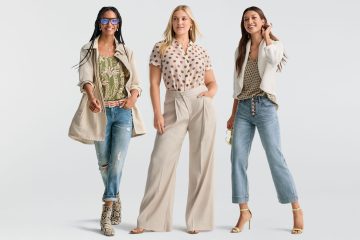
However, following every trend is not necessary. A practical fashion wardrobe usually combines timeless pieces with a few modern additions. Classic shirts, well-fitting trousers, versatile jackets, simple dresses, and comfortable footwear can remain useful for years. Trend-focused pieces can then add freshness without making the entire wardrobe dependent on short-lived styles.
The Importance of Personal Style
Personal style is one of the most valuable parts of fashion. It involves choosing clothing that matches individual preferences, body comfort, lifestyle, and daily needs. Someone who prefers minimalism may enjoy neutral colors and clean designs, while another person may prefer bold prints, vibrant colors, or experimental outfits.
Fit is particularly important. Even an expensive garment may look less appealing if it does not fit properly. Paying attention to proportions, fabric quality, comfort, and appropriate sizing can make ordinary clothing appear more polished.
Accessories can also transform an outfit. Bags, watches, belts, scarves, jewelry, and sunglasses can add personality without requiring an entirely new wardrobe. Thoughtful styling often makes a greater difference than simply purchasing more clothes.
Sustainable Fashion and Responsible Choices
Sustainability has become an increasingly important topic in modern fashion. Consumers are becoming more interested in clothing quality, ethical production, responsible materials, and reducing unnecessary consumption. Fast fashion can make trendy clothing affordable and accessible, but frequent purchasing and disposal can contribute to environmental concerns.
A more thoughtful approach involves buying versatile pieces, caring for clothing properly, repairing garments when possible, and choosing quality items that can be worn repeatedly. Secondhand shopping and clothing exchanges can also extend the life of garments while offering opportunities to discover distinctive styles.
Building a Practical Fashion Wardrobe
Creating a useful wardrobe begins with understanding everyday activities and personal preferences. Instead of buying clothing simply because it is fashionable, shoppers can consider whether a piece works with existing outfits and whether it will be worn regularly.
A balanced wardrobe may include comfortable everyday clothing, professional outfits, seasonal pieces, and a few statement items. Choosing complementary colors and versatile designs makes it easier to create different looks from fewer garments.
The Future of Fashion
Fashion continues to evolve alongside technology and changing consumer expectations. Digital shopping, virtual styling, smart textiles, artificial intelligence, and innovative manufacturing methods are influencing how clothing is designed and purchased. At the same time, consumers increasingly value individuality, inclusivity, sustainability, and transparency.
Conclusion
Fashion is ultimately about more than trends. It combines creativity, culture, practicality, and self-expression. By understanding personal style, choosing clothing thoughtfully, and balancing modern trends with timeless pieces, anyone can develop a wardrobe that feels authentic and useful. The best fashion choices are not necessarily the most expensive or popular ones; they are the choices that help people feel comfortable, confident, and genuinely themselves.