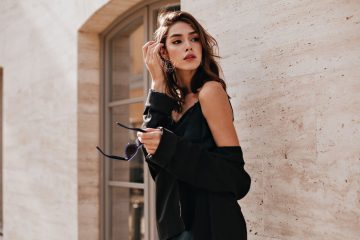
How Fashion Shapes Personal Style and Everyday Confidence
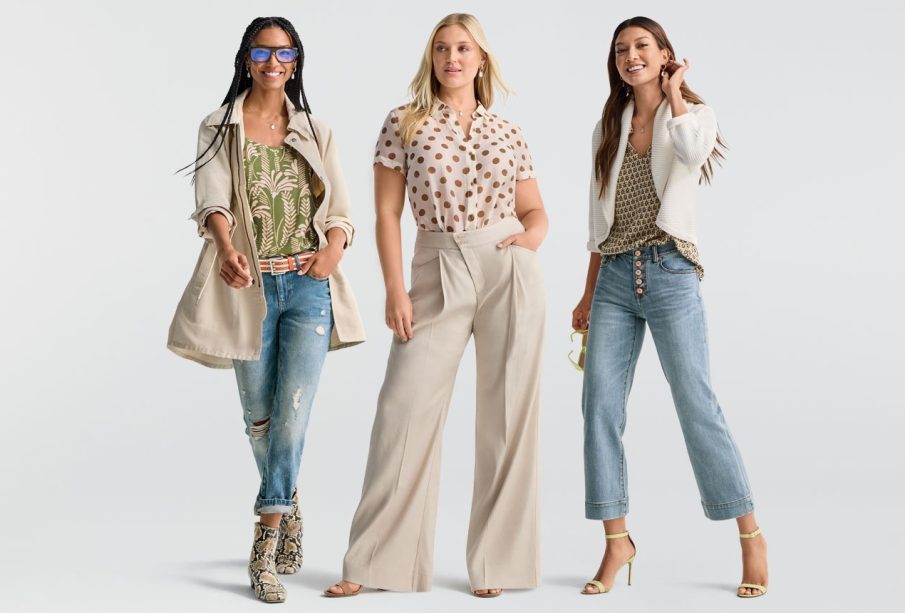
Fashion is an important part of everyday life because it allows people to express themselves without saying a word. Clothing, footwear, accessories, colors, and patterns can communicate personality while also providing comfort and practicality. Although fashion trends change regularly, personal style remains a powerful way to create an appearance that feels authentic. Understanding fashion can help people make smarter wardrobe choices and feel more confident in their daily lives.
The Connection Between Fashion and Identity
What people wear often reflects their interests, lifestyle, culture, and personality. Someone who prefers simple outfits may choose neutral colors and classic designs, while someone with a creative personality may enjoy unusual patterns, bold colors, or distinctive accessories.
Fashion gives people the freedom to experiment with their appearance. A change in hairstyle, jacket, footwear, or color combination can create a completely different look. This flexibility makes fashion more than a collection of clothing trends. It becomes a personal tool for expressing identity.
Cultural traditions also have a strong influence on fashion. Traditional garments, regional textiles, embroidery, and handcrafted accessories continue to inspire contemporary designers. Modern fashion often combines these elements with current silhouettes and styling techniques, creating distinctive looks that connect the past with the present.
Why Personal Style Matters
Personal style is different from simply following fashion trends. Trends can provide inspiration, but personal style determines which trends actually suit an individual. Developing a unique style involves understanding personal preferences, lifestyle requirements, and comfort.
A person who works in a professional environment may prefer tailored clothing and polished accessories. Someone with a casual lifestyle may choose relaxed shirts, denim, sneakers, and versatile outerwear. Neither approach is more fashionable than the other. The most effective style is one that works naturally with the person’s daily routine.
Confidence often improves when people feel comfortable in what they are wearing. An outfit that fits properly and reflects personal taste can make someone feel prepared for work, social events, travel, or everyday activities.
Choosing the Right Clothing
Building a practical wardrobe starts with selecting clothing that can be worn in different situations. Basic garments such as comfortable shirts, well-fitting trousers, versatile jackets, simple dresses, and dependable footwear can form the foundation of many outfits.
Color coordination can also make styling easier. Neutral shades such as black, white, beige, navy, and gray can be combined with brighter colors or statement pieces. This allows people to create multiple outfits without purchasing large quantities of clothing.
Fit should always be considered when choosing fashion pieces. Clothing that matches the body comfortably can improve appearance and allow easier movement. Paying attention to sizing, fabric stretch, length, and proportions can make everyday outfits look more refined.
Fashion Accessories and Styling
Accessories can have a significant impact on an outfit. A simple look can become more distinctive with the right bag, watch, belt, scarf, jewelry, or pair of sunglasses. Accessories also provide an easy way to experiment with trends without replacing an entire wardrobe.
Footwear is equally important. Sneakers can create a relaxed appearance, while formal shoes can make an outfit more polished. Boots, sandals, loafers, and other styles offer different combinations depending on the season and occasion.
Effective styling does not necessarily require expensive items. Creativity, balance, and attention to detail often have a greater effect than the price of individual pieces.
The Rise of Sustainable Fashion
Sustainable fashion has become increasingly relevant as consumers think more carefully about purchasing habits. Instead of constantly buying new clothing, many people are choosing durable garments that can be worn repeatedly and styled in different ways.
Taking proper care of clothing can extend its lifespan. Washing garments according to care instructions, storing them correctly, and repairing minor damage can prevent unnecessary replacement. Secondhand shopping is another option that allows consumers to discover unique pieces while giving existing garments a longer life.
Sustainability also encourages people to focus on quality rather than quantity. A smaller wardrobe filled with useful and versatile clothing can often be more practical than a large collection of rarely worn items.
Fashion in the Digital Age
Technology has transformed how people discover and experience fashion. Social media allows users to explore styling ideas, emerging designers, streetwear trends, and international fashion communities. Online shopping has also made it easier to compare products and discover styles from different markets.
At the same time, the constant flow of fashion content can encourage impulse purchases. Developing a clear personal style can help consumers distinguish between temporary trends and clothing that genuinely suits them.
Conclusion
Fashion is ultimately about self-expression, confidence, and thoughtful choices. Trends may provide inspiration, but personal style gives fashion its individual character. By choosing comfortable clothing, understanding fit and color, using accessories creatively, and considering sustainable purchasing habits, people can build wardrobes that are both stylish and practical. The best fashion is not simply about looking current; it is about feeling confident and comfortable while expressing who you are.