Modern Fashion Trends: Finding the Right Balance Between Style and Comfort

Fashion is constantly changing, but one principle remains important: people want to look good while feeling comfortable. Modern fashion offers countless choices, from relaxed everyday clothing to sophisticated formal wear and creative street styles. With new trends appearing regularly, understanding how to combine current designs with personal preferences can help anyone create a wardrobe that feels stylish, practical, and authentic.
Understanding Modern Fashion
Modern fashion reflects the changing lifestyles and attitudes of society. People today often move between professional, social, and casual environments, creating a demand for clothing that can adapt to different occasions. This has encouraged designers and brands to create versatile garments that combine functionality with visual appeal.
Contemporary fashion includes a wide variety of styles. Minimalist clothing, casual streetwear, vintage-inspired outfits, athletic influences, relaxed tailoring, and statement pieces can all exist within the same fashion landscape. This variety gives individuals more freedom to experiment and develop their own appearance.
The Growing Popularity of Comfortable Fashion
Comfort has become a major consideration when choosing clothing. Loose silhouettes, breathable fabrics, soft materials, and flexible footwear have become popular because they support active lifestyles without sacrificing style.
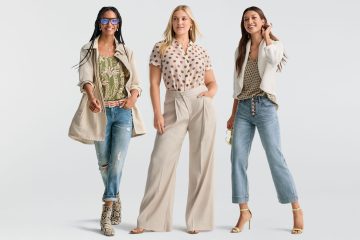
Comfortable fashion does not mean wearing basic clothing all the time. A relaxed outfit can still look polished when colors, proportions, and accessories are carefully coordinated. For example, a simple shirt paired with well-fitted trousers and stylish footwear can create an effortless appearance suitable for many everyday situations.
The popularity of comfortable fashion also shows how consumer expectations are changing. People increasingly want clothing that works with their daily routines rather than requiring them to sacrifice movement or convenience for appearance.
Choosing Trends That Suit You
Not every fashion trend is suitable for everyone. Body shape, personal taste, lifestyle, climate, and daily activities all influence which styles work best. Instead of adopting every popular trend, shoppers can select elements that complement their existing wardrobe.
A trendy color can be introduced through an accessory or smaller clothing item. A modern silhouette can be combined with classic pieces. This approach allows people to enjoy current fashion without completely changing their personal style.
The goal is not to recreate a look exactly as it appears in a magazine or on social media. Fashion works best when trends are adapted to individual preferences.
Building a Versatile Wardrobe
A versatile wardrobe can make everyday styling easier. Essential pieces such as neutral shirts, quality trousers, denim, lightweight jackets, comfortable footwear, and simple accessories can serve as the foundation for numerous outfits.
Layering is another useful styling technique. A basic outfit can be transformed by adding a jacket, cardigan, overshirt, scarf, or other outer layer. This provides variety while also helping people adjust to changing weather.
Investing in versatile clothing can also support more responsible shopping habits. When garments work with multiple outfits, they are more likely to be worn frequently and remain useful for longer.
The Influence of Social Media
Social media has dramatically changed how fashion trends spread. Platforms featuring photographs and short videos allow people to discover styling ideas from different cultures and communities. Fashion inspiration is no longer limited to magazines, television, or major runway events.
Influencers, content creators, independent designers, and everyday users can all contribute to emerging trends. A particular outfit combination can gain widespread attention quickly, influencing what consumers search for and purchase.
However, social media can also encourage constant comparison and impulse buying. A thoughtful approach is to use online content as inspiration rather than treating every popular style as something that must be purchased.
Sustainable Fashion and Conscious Shopping
Sustainability is increasingly shaping modern fashion. Consumers are becoming more aware of clothing waste, production practices, material choices, and garment durability. This has increased interest in secondhand clothing, timeless designs, recycled materials, and responsible purchasing.
One practical approach is to buy fewer items while selecting pieces that offer greater versatility. Caring properly for clothing can also extend its useful life. Repairing garments, donating unwanted pieces, and reusing older items creatively can reduce unnecessary waste.
Sustainable fashion demonstrates that style and responsibility can work together. Looking fashionable does not require constantly buying new clothes.
Fashion as Personal Expression
Although trends influence modern wardrobes, individuality remains at the heart of fashion. Clothing can reflect mood, creativity, culture, profession, and personality. The same garment can look completely different when styled by different people.
Confidence often comes from understanding what works personally rather than trying to meet every outside expectation. When clothing feels comfortable and authentic, it becomes easier to wear it with confidence.
Conclusion
Modern fashion offers endless opportunities to explore personal style while maintaining comfort and practicality. The most effective wardrobe combines timeless essentials with carefully selected trends, suitable accessories, and clothing that fits naturally into everyday life. By shopping thoughtfully and using fashion as a form of personal expression, anyone can create a style that looks contemporary without losing individuality or comfort.