Why Flexibility Matters in Modern Structural Repair Tooling
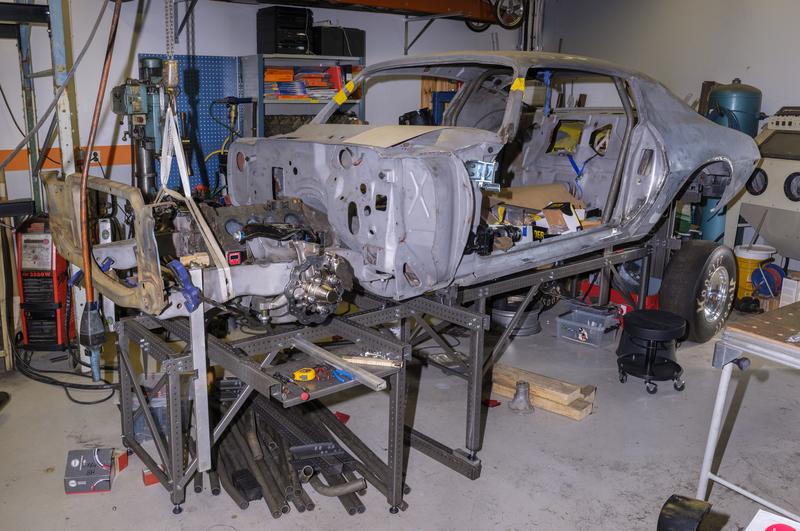
Repair planning has become more demanding as workshops handle a wider mix of vehicle platforms, materials, and structural designs, which is why an automotive frame jig is no longer just a piece of holding equipment. In a modern bodyshop, it plays a central role in how accurately damaged structures are located, measured, and returned to specification. The more adaptable the system, the easier it becomes to work across different vehicles without constantly relying on separate dedicated fixtures.
Precision Starts With Correct Reference Positioning
Structural repair depends on more than pulling force. Before any meaningful correction can happen, the vehicle needs to be located properly against known reference points. If those points are not held accurately, even a well-executed pull can leave the structure out of tolerance.
This is where a frame jig becomes so important. It gives technicians a stable, repeatable way to position the vehicle and compare it against intended dimensions. That accuracy matters not only for the repair itself, but for everything that follows, including panel fit, suspension geometry, and the overall confidence that the structure has been restored correctly.
In practical workshop terms, precision at the beginning often prevents wasted time later. It reduces guesswork and helps make the repair process more controlled from the outset.
Universal Systems Suit Mixed Workshops Better
Many repair centres do not work on one make or one narrow vehicle category. They deal with a varied stream of cars, light commercial vehicles, and increasingly complex platforms. In that environment, highly specialised model-specific tooling can become expensive and difficult to manage.
A universal jig approach offers a different kind of value. Instead of relying entirely on dedicated fixture sets, the workshop can configure adaptable components to match the vehicle being repaired. That makes the equipment more versatile and often more practical for businesses that need broad coverage across changing job types.
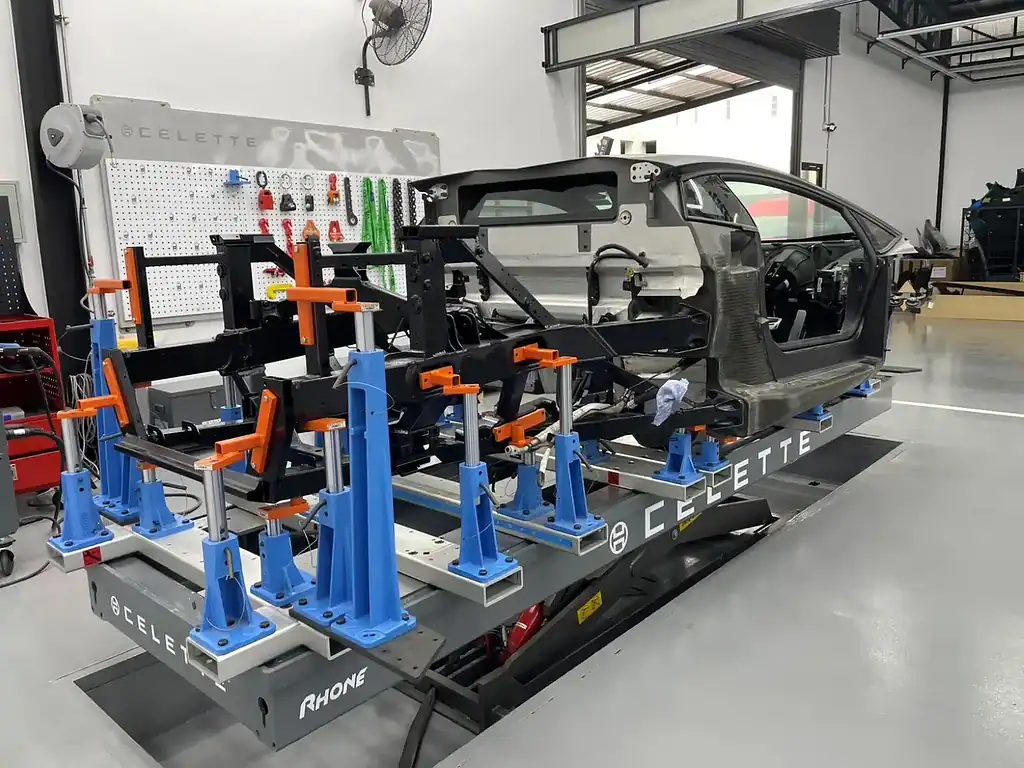
This flexibility also helps workshops respond to future demand. As vehicle design evolves, a more adaptable system generally gives a better chance of staying useful without requiring a complete tooling reset every time new structural layouts become common.
Speed Matters, But Not at the Expense of Accuracy
Bodyshops are under constant pressure to move work through efficiently. However, speed is only helpful when it sits on top of a reliable process. A jig system that takes too long to assemble can slow productivity, but one that sacrifices positioning accuracy in the name of convenience can create more serious problems.
The best approach is usually a system that supports both repeatability and efficient setup. Technicians need to be able to configure the jig without excessive downtime while still knowing the structure is being referenced correctly. That balance becomes especially important in busy repair environments where throughput and consistency have to coexist.
This is one reason modular systems are so useful in practice. They can help reduce setup friction while still giving technicians the control needed for more exacting work.
Integration Makes Workshop Processes Smoother
Structural repair rarely happens in isolation from the rest of the workshop process. Measuring, anchoring, pulling, verification, and reporting all need to connect sensibly if the job is to move smoothly from start to finish. Equipment that fits naturally into that wider process tends to create more value than tooling that works well in one stage but causes complications in another.
That is why workshops often benefit from jig systems that can sit comfortably alongside benches, measuring equipment, and other structural repair tools already in use. Better compatibility usually means fewer workarounds, less disruption, and a more predictable repair flow.
In a commercial setting, that kind of operational fit matters almost as much as the product specification itself.
Why the Right Jig System Supports Better Repairs
An automotive frame jig should do more than hold a vehicle in place. It should help the workshop work more accurately, more consistently, and with greater flexibility across a changing repair mix. The stronger the positioning process, the easier it becomes to measure, correct, and verify structural repairs with confidence.
For modern repairers, that makes the jig system a serious part of workshop capability rather than a secondary accessory. The right setup can improve precision, support efficiency, and help the business handle a wider range of structural jobs without compromising standards.