Personal Gym Trainer Singapore, The Perimenopause And Menopause Strength Reset
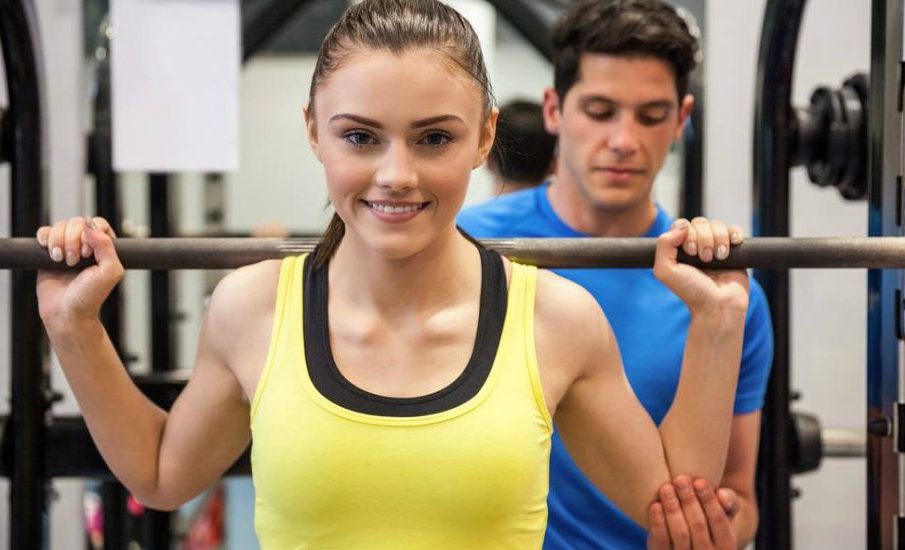
Many women in Singapore begin to notice changes in their body and energy levels as they enter their forties and fifties. Hormonal shifts during perimenopause and menopause influence bone density, muscle mass, fat distribution, and recovery ability. Without a structured approach, these changes can make fitness feel discouraging. This is why working with a personal gym trainer Singapore becomes an empowering step. Trainers provide tailored guidance that helps women maintain strength, protect joints, and improve quality of life during this stage.
Alongside professional support, environments like TFX Singapore give women access to equipment, climate control, and coaching resources that make it easier to train consistently despite hot weather and hormonal fluctuations.
Why Strength Training Matters During Perimenopause And Menopause
Strength training is one of the most effective tools to manage hormonal changes. Oestrogen decline affects bone density and muscle retention, leading to:
-
Greater risk of osteoporosis
-
Slower metabolism and increased fat storage
-
Loss of balance and coordination
A trainer focuses on preserving lean muscle through resistance training, which improves not only body composition but also daily function and resilience.
Joint-Friendly Training With Controlled Movements
Hormonal changes can also make joints feel stiffer or more prone to discomfort. Trainers adapt sessions with:
-
Slower tempos for control and safety
-
Full but comfortable ranges of motion
-
Resistance bands and machines for support
-
Progression plans that reduce sudden load increases
This ensures women build strength without risking injury.
Hot Flushes And Training Comfort
Hot flushes are a common symptom of menopause and can make workouts uncomfortable. Trainers offer practical strategies such as:
-
Scheduling sessions in cooler hours of the day
-
Using breathable, sweat-wicking clothing
-
Training near fans or ensuring airflow indoors
-
Building flexible rest breaks into workouts
Comfort and consistency matter more than intensity during these episodes.
The Role Of Protein And Fibre
Nutrition is as important as exercise during menopause. A trainer often collaborates with clients to:
-
Increase protein intake to counteract muscle loss
-
Add fibre-rich foods for better appetite control
-
Support gut health, which influences energy and mood
-
Moderate processed sugar, which worsens energy crashes
By linking meal plans with training, clients see faster and more sustainable results.
Sleep And Stress Management
Hormonal fluctuations can disrupt sleep, which in turn affects recovery. Trainers encourage clients to:
-
Avoid caffeine late in the day
-
Use short, restorative movement sessions to aid sleep
-
Track recovery markers like heart-rate variability
-
Integrate stress-reducing practices such as stretching or light yoga
This holistic approach ensures that fitness works with, not against, the body’s natural rhythm.
Collaboration With Healthcare Professionals
A professional trainer also recognises when to work alongside doctors. For women with osteoporosis risk, heart health issues, or hormone therapy, a collaborative approach ensures safety. Trainers may adjust programmes based on medical advice, building trust and long-term adherence.
Practical Training Strategies For Midlife Women
-
Prioritise compound lifts like squats and rows for efficiency
-
Incorporate balance drills to reduce fall risk
-
Use progressive overload with light to moderate weights
-
Add low-impact cardio such as cycling or swimming
-
Emphasise recovery sessions after high-stress days
These strategies help clients feel capable and confident in their fitness journey.
FAQ
Q. Can I start lifting weights in my late forties if I have never trained before?
Ans. Absolutely. Trainers start with bodyweight and light resistance before progressing. Many women see improvements in strength and posture within months.
Q. How heavy should I lift during menopause?
Ans. The weight should be challenging but safe. Trainers typically aim for progressive overload, meaning gradual increases while maintaining correct form.
Q. Will exercise help with hot flushes?
Ans. While it may not eliminate them, regular exercise improves circulation and overall comfort. Trainers schedule sessions at cooler times to reduce discomfort.
Q. Is cardio still important at this stage?
Ans. Yes, but it should complement strength training. Moderate cardio improves heart health, while resistance training protects bone and muscle.
Q. Should I take supplements like calcium or vitamin D?
Ans. Trainers may suggest discussing this with a doctor. In many cases, vitamin D and calcium support bone health, but dosage should be personalised.
Q. Can menopause make it harder to lose fat?
Ans. Yes, due to hormonal shifts, but it is not impossible. With strength training, higher protein intake, and consistent activity, women can still achieve fat loss and improved body composition.