Why Recovered Paper Still Matters In Global Supply Chains
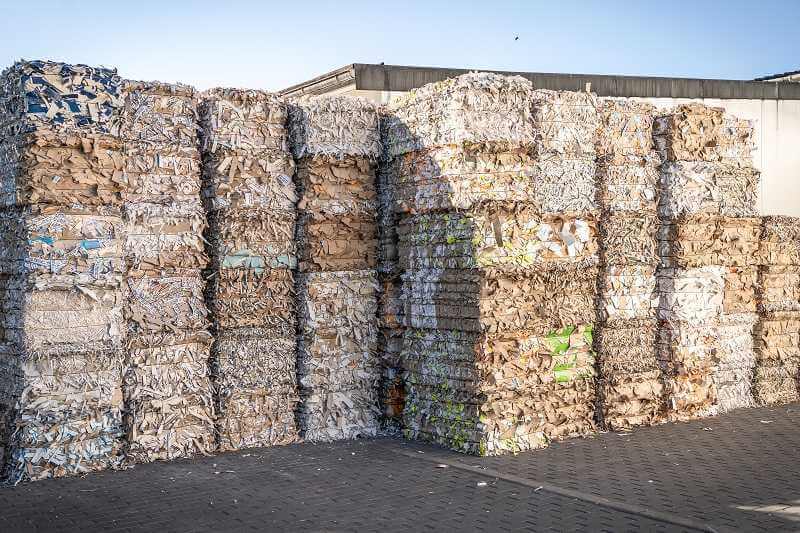
Paper recycling is often discussed as an environmental issue, but it is also a practical part of manufacturing, packaging and international trade. Businesses need reliable material flows, clear grading, consistent supply and responsible handling if recycled paper is going to support production properly. A waste paper exporter can play an important part in that process by helping recovered paper move from collection and sorting into the industries that can reuse it effectively.
Recovered Paper Has Real Commercial Value
Waste paper should not be seen simply as material at the end of its life. When collected, sorted and processed properly, it becomes a useful input for new paper, packaging and industrial products.
This is especially important as demand for packaging continues across retail, ecommerce, food supply, manufacturing and logistics. Cardboard boxes, paper-based packaging and related materials all depend on reliable fibre sources. Recovered paper can help support that demand while reducing reliance on virgin fibre.
The value depends heavily on quality. Mixed, contaminated or poorly sorted paper is harder to use and may reduce efficiency for manufacturers. Clean, well-graded recovered paper is far more useful because buyers can understand what they are receiving and plan production more confidently.
Sorting And Grading Make The Difference
Not all recovered paper is the same. Office paper, cardboard, newspapers, magazines and mixed grades may all have different uses and values. Exporters need to understand these differences and make sure material is sorted correctly before it reaches buyers.
Grading helps manufacturers match the material to the right production process. A paper mill may need a specific grade for packaging board, while another buyer may require a different fibre type for recycled paper products.
This is why careful sorting is not a minor detail. It affects price, usability and customer trust. If buyers receive inconsistent grades, they may face production delays, quality issues or additional processing costs.
Exporting Requires More Than Moving Material
International trade in recovered paper involves logistics, documentation, compliance and coordination. Material may need to be baled, stored, loaded, shipped and delivered across borders while meeting buyer specifications and local regulations.
A reliable exporter needs to manage these practical steps carefully. This includes understanding shipping schedules, container loading, quality checks, paperwork and communication with both suppliers and buyers.
The process also needs transparency. Buyers want to know what material they are receiving, where it comes from and whether it meets the agreed standard. Good communication reduces uncertainty and supports smoother trade relationships.
Quality Control Protects Both Sides
Recovered paper can lose value if it is contaminated with food waste, plastic, moisture, metal, unsuitable materials or mixed grades. These issues may not always be obvious at first glance, but they can create problems once the material reaches the buyer.
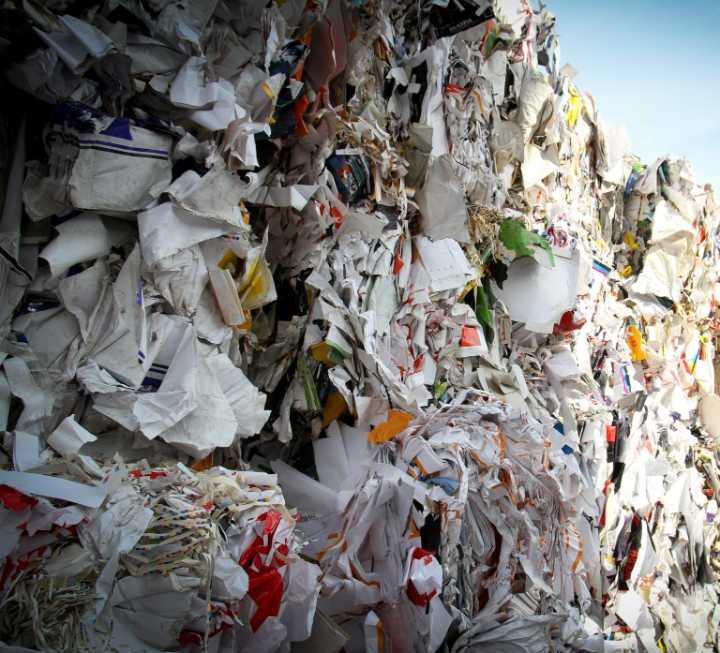
Quality control helps reduce this risk. Checks at collection, sorting, baling and loading stages can improve consistency and prevent unsuitable material from entering the export supply chain.
This protects both sides. Sellers can maintain stronger relationships and avoid disputes, while buyers can use the material with greater confidence. In international trade, where resolving problems can be slow and expensive, reliable quality control is especially valuable.
Sustainability Depends On Good Systems
Recycling only delivers its full benefit when the system works properly. If recovered paper is badly handled, transported inefficiently or rejected because of contamination, some of the environmental value is lost.
A strong export process helps keep material in productive use. It connects available recovered paper with markets that need it, reducing waste and supporting circular use of resources.
However, sustainability should not be treated as a vague claim. It depends on practical details: collection standards, sorting quality, transport efficiency, responsible sourcing and clear documentation. Businesses that handle these details well are better placed to support meaningful recycling outcomes.
Reliable Supply Supports Manufacturing Confidence
For manufacturers, recycled paper supply needs to be dependable. A shortage of suitable material can affect production schedules, while poor-quality supply can increase costs and reduce output quality.
A good exporter helps by creating a more reliable bridge between recovered material sources and industrial buyers. That role becomes more important when markets change, shipping conditions shift or demand rises suddenly.
Recovered paper may begin as waste, but with the right handling it becomes a valuable industrial resource. When exporters manage quality, logistics and communication properly, they help turn discarded material into something useful again, supporting both commercial supply chains and more responsible resource use.