6 Signs Your Tree Needs Repotting
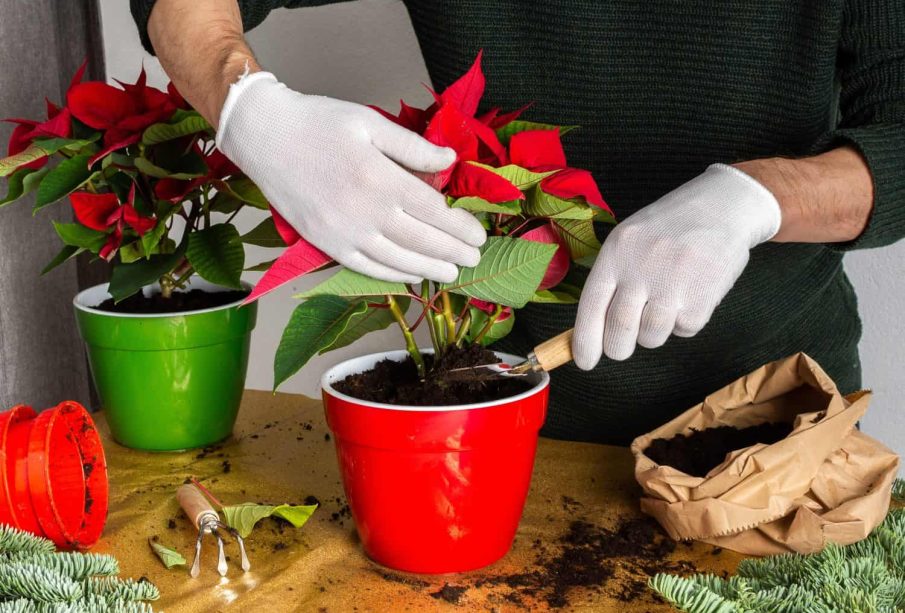
Container-grown fruit trees, particularly apple trees, are a practical choice for British gardeners with limited space or those seeking to cultivate fruit on patios, balconies, or small gardens. These trees offer the satisfaction of home-grown produce but require careful attention to thrive in pots. One critical aspect of their care is recognising when a tree needs repotting. Failing to address this can stunt growth, reduce fruit yield, or even lead to the tree’s decline. This article explores six clear signs that indicate your fruit tree, especially an apple tree, requires repotting to maintain its health and productivity.
A nursery specialist from CRJ FruitTrees advises, “Regularly assessing the condition of your container-grown trees is essential to ensure they continue to flourish. Repotting at the right time supports root health and sustained fruit production. For those looking to start or expand their collection, selecting high-quality stock from a reputable source is key to long-term success in fruit tree cultivation.” This insight underscores the importance of timely repotting and choosing reliable suppliers when you decide to buy fruit trees.
Roots Emerging from Drainage Holes
One of the most unmistakable signs that a fruit tree needs repotting is the appearance of roots protruding from the drainage holes at the base of the pot. Apple trees, like other fruit trees, develop extensive root systems to support their growth and fruit production. In a confined pot, roots can quickly outgrow the available space, leading to a tangled mass that seeks escape through any available exit. This phenomenon, often referred to as the tree becoming “pot-bound,” indicates that the roots are cramped and unable to expand further within the current container.
When roots emerge from drainage holes, they are not only a sign of overcrowding but also a potential threat to the tree’s health. Restricted roots struggle to absorb adequate water and nutrients, which can lead to symptoms such as yellowing leaves or reduced fruit size. Gardeners may notice that water drains too quickly through the pot, as the compacted root ball leaves little room for soil to retain moisture. To confirm this issue, gently lift the tree from its pot if possible. A dense, circling mass of roots around the edges is a clear indicator that repotting into a larger container is necessary.
Addressing this issue promptly is crucial. Choose a pot that is at least 5-10 centimetres larger in diameter than the current one, ensuring it has sufficient drainage holes. When repotting, carefully tease apart any circling roots to encourage outward growth in the new container. This process not only gives the roots more space but also allows for fresh, nutrient-rich compost to support the tree’s ongoing needs.
Slowed Growth or Reduced Vigour
Another telltale sign that a fruit tree requires repotting is a noticeable slowdown in growth or a decline in overall vigour. Apple trees, known for their steady growth when healthy, may exhibit stunted development if their roots are constrained. This can manifest as smaller-than-expected new shoots, fewer leaves, or a general lack of vitality compared to previous seasons. For instance, a tree that once produced robust foliage and consistent fruit may begin to look lacklustre, with sparse growth or weaker branches.
This symptom often stems from the roots’ inability to access sufficient nutrients and water due to limited space or depleted soil. Over time, the compost in a pot breaks down, losing its structure and nutrient content. Even with regular fertilising, the tree may struggle to thrive if the root system is overcrowded. Gardeners might observe that the tree requires more frequent watering, as the compacted soil retains less moisture, further stressing the plant.
To remedy this, repotting into a larger container with fresh, high-quality compost is essential. When selecting a new pot, consider the tree’s mature size, as apple trees, particularly dwarf or semi-dwarf varieties, still require ample root space. For those looking to buy fruit trees suited for container growing, dwarf apple varieties such as ‘Cox’s Orange Pippin’ or ‘Gala’ are excellent choices, as they adapt well to pots while producing reliable yields.
Yellowing Leaves or Poor Fruit Quality
Yellowing leaves or a decline in fruit quality can signal that a fruit tree is struggling in its current pot. While these symptoms can arise from various issues, such as pest infestations or improper watering, they often indicate that the tree’s roots are unable to support its nutritional needs. For apple trees, this might manifest as smaller, less flavourful fruit, fewer apples than in previous years, or premature leaf drop.
When roots are confined, they cannot efficiently uptake the nutrients required for healthy foliage and fruit development. The soil in the pot may also become exhausted, lacking the essential minerals needed for robust growth. Additionally, poor drainage caused by compacted roots can lead to waterlogged conditions, further stressing the tree and causing leaves to yellow or brown.
Inspecting the root system is a practical step to diagnose this issue. If the roots appear tightly packed or the soil is hard and compacted, repotting is likely necessary. When repotting, use a well-draining compost mix specifically formulated for fruit trees, and consider adding a slow-release fertiliser to replenish nutrients. Regular monitoring after repotting can help ensure the tree regains its vigour, with healthy green leaves and improved fruit quality in the following season.
Watering Difficulties
Watering issues, such as water pooling on the surface or draining too quickly, are another indicator that a fruit tree needs repotting. Healthy soil in a pot should retain moisture evenly, allowing the tree to absorb water gradually. However, when a tree becomes pot-bound, the soil becomes compacted, reducing its ability to hold water. This can lead to water running straight through the pot without being absorbed, leaving the tree dehydrated.
Conversely, in some cases, water may sit on the surface, failing to penetrate the dense root ball. This can cause root rot, particularly in apple trees, which are sensitive to overly wet conditions. Gardeners may notice that the tree requires watering more frequently than before, yet still shows signs of drought stress, such as wilting leaves.
To address this, repot the tree into a larger container with fresh compost that promotes good drainage and moisture retention. Ensure the new pot has adequate drainage holes, and avoid overwatering during the transition period. For those planning to buy fruit trees for container gardening, selecting a pot with proper drainage from the outset can prevent these issues and support long-term tree health.
Soil Degradation and Nutrient Depletion
Over time, the soil in a container breaks down, losing its structure and nutrient content. This is particularly true for fruit trees, which are heavy feeders that deplete soil nutrients quickly. Apple trees, for example, require a steady supply of nitrogen, potassium, and phosphorus to support leaf growth, flowering, and fruit production. When the soil in a pot becomes exhausted, the tree may exhibit signs of nutrient deficiency, such as pale leaves, weak branches, or reduced fruiting.
Soil degradation can also affect the pot’s ability to retain water and provide aeration to the roots. Compacted or crumbly soil is less effective at supporting the tree’s needs, even with regular fertilising. Gardeners may notice that the soil level in the pot has dropped significantly, as organic matter breaks down over time.
Repotting with fresh, nutrient-rich compost is the solution to this problem. When choosing compost, opt for a mix designed for fruit trees or a loam-based compost with added organic matter. This provides a balanced environment for root growth and nutrient uptake. For gardeners looking to buy fruit trees, starting with high-quality compost and a suitably sized pot can delay the need for frequent repotting and promote healthier growth.
Visible Stress or Structural Instability
A fruit tree that appears stressed or structurally unstable may also need repotting. Signs of stress include wilting, even with adequate watering, or a tree that leans to one side due to an uneven root system. In severe cases, the tree may struggle to remain upright, particularly during windy conditions, as the confined roots fail to anchor it properly.
This instability often results from a root system that has outgrown its pot, causing the tree to become top-heavy. Apple trees, especially those grown on dwarfing rootstocks, are prone to this issue if not repotted regularly. The lack of root space can also exacerbate stress during hot or dry weather, as the tree struggles to access sufficient water.
To correct this, repot the tree into a larger, heavier container to provide better stability and root space. Adding a layer of gravel or stones at the base of the pot can further enhance stability, particularly for trees grown on exposed patios or balconies. When repotting, inspect the roots for signs of damage or rot, and trim away any unhealthy sections to promote new growth.
Practical Steps for Repotting
Repotting a fruit tree is a straightforward process, but it requires care to avoid damaging the roots or stressing the tree further. The best time to repot is during the dormant season, typically late autumn to early spring, when the tree is not actively growing. For apple trees, this is usually between November and March in the UK, depending on local climate conditions.
Begin by selecting a new pot that is appropriately sized for the tree’s current and future growth. A pot that is too large can lead to overwatering, while one that is too small will quickly result in the same issues. Prepare a high-quality compost mix, and gently remove the tree from its current pot, taking care not to break the root ball. If the roots are tightly circled, carefully tease them apart to encourage outward growth.
Place a layer of compost at the base of the new pot, position the tree centrally, and fill the remaining space with compost, firming it down gently. Water thoroughly after repotting, and monitor the tree’s progress over the following weeks. Applying a balanced fertiliser in the spring can help the tree recover and resume healthy growth.
For gardeners looking to buy fruit trees for container growing, choosing varieties suited to pots, such as dwarf apple trees, is a practical starting point. Regular maintenance, including timely repotting, ensures these trees remain productive and enhance the beauty of any garden space.
Conclusion
Recognising the signs that a fruit tree needs repotting is essential for maintaining its health and ensuring consistent fruit production. From roots emerging from drainage holes to slowed growth, yellowing leaves, watering difficulties, soil degradation, and structural instability, these indicators provide clear guidance for when to act. By addressing these issues promptly and repotting with care, gardeners can support their trees’ long-term vitality.
Container gardening offers a rewarding way to grow fruit trees, particularly for those with limited space. Whether you’re an experienced gardener or new to cultivating apple trees, paying attention to these signs and following proper repotting practices will keep your trees thriving. For those looking to expand their collection, reputable nurseries offer a range of options to buy fruit trees that suit various growing conditions, ensuring a fruitful harvest for years to come.