The Rise of Solar Power in Australia
Solar energy has been used in Australia for many decades, though on a very small level. In fact, many other European countries which are much smaller than Australia, both in size and energy generation, were producing considerably more solar energy than the country well up until 2010. However, the trend began to change as there was a general change in awareness and people began to realise just how efficient solar power can be. Electricity prices tend to vary between private companies, and many people were getting sick and tired of paying eye-gouging electricity bills each month.
In fact, there was a high-profile case where one electricity company began charging their customers an additional fee to replace the wires that were damaged due to the company’s own faulty installations and bush fires. Needless to say, this angered the average person, who was already paying high prices. More importantly, people began to realise just how damaging climate change can be in the first place, and this led to a major change in perception.
Companies such as the Solar Service Group began to play an important role as well, providing awareness and equipment to average consumers. Companies began to offer financing solutions to customers who wanted to switch to solar power. As a result of that, solar power generation and consumption began to increase. By 2018, Australia was leading the race for solar power generation.
Solar Energy Resources
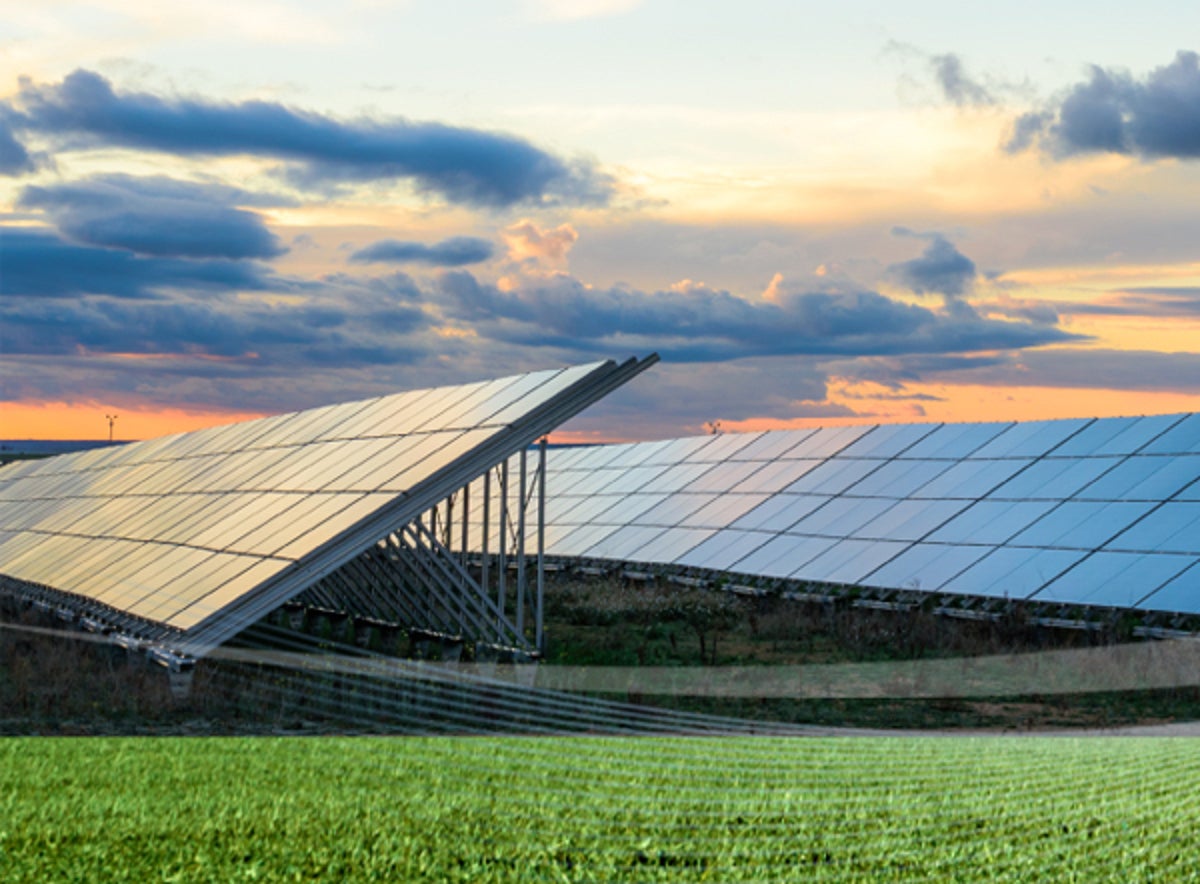
To put things into perspective, the continent of Australia currently experiences the highest solar radiation per square meter of any other continent. Simply put, it’s the best place for generating solar energy anywhere in the world. Each year, the country receives an average of 58 million PJ of solar radiation. That’s almost 10,000 times greater than the country’s consumption of electricity. But while it’s so much, it’s not being utilised fully. In fact, solar energy accounts for just about 0.1 percent of the country’s total consumption of electricity. However, as the government has introduced new policies such as the Renewable Energy Target, the overall solar generation in the country has increased dramatically.
The government has introduced a variety of incentives and benefits to the average person. This has led to increased adoption across the country, with many states seeing a vast number of people switching over to solar energy.
It’s the Best Time to Switch
The prices for solar energy systems have fallen drastically, and more and more companies have now begun to offer a variety of benefits. These include relaxed financing plans and maintenance packages to their clients. It’s a great choice for people who are looking to make the switch to solar energy but were on the fence before. On top of that, another benefit that you get for making the switch to solar energy is that you will be able to feed excess energy back into the grid. Think of it as an investment that will pay itself back in the next few years.