How Does Microneedling Work?
Microneedling, also known as collagen induction therapy, is a minimally invasive cosmetic procedure that rejuvenates the skin by stimulating collagen production. This technique has gained widespread popularity due to its ability to improve skin texture, reduce fine lines and wrinkles, minimise acne scars, and enhance overall skin tone with minimal downtime.
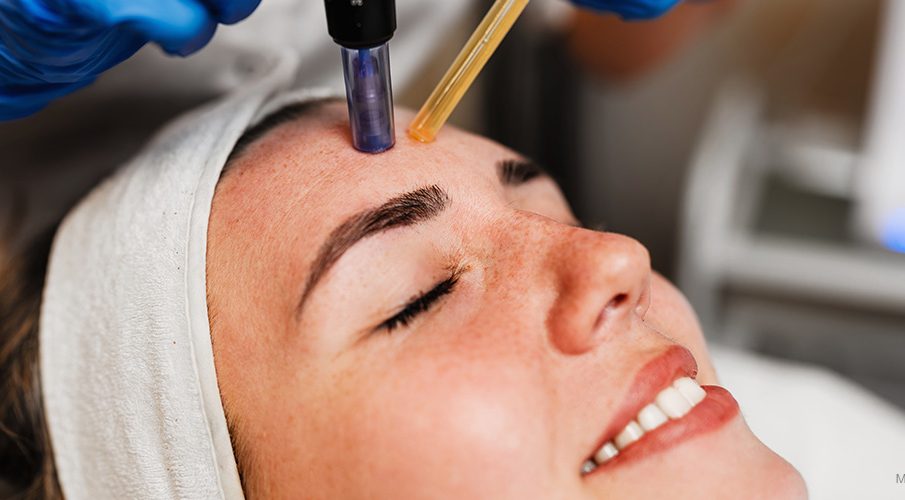
Microneedling works by using fine needles to create controlled micro-injuries on the surface of the skin. These tiny punctures trigger the body’s natural wound-healing process, stimulating collagen and elastin production—two vital proteins responsible for skin firmness, hydration, and elasticity.
What Happens During a Microneedling Session?
A typical microneedling session begins with cleansing the skin thoroughly to remove any dirt, makeup, or oil. Depending on the clinic or provider, a topical anaesthetic may be applied to reduce discomfort during the procedure. The microneedling device, often a dermaroller or motorised pen-like instrument with adjustable needle depths, is then rolled or pressed over the treatment area.
The process isn’t typically painful but may feel slightly prickly or cause a tingling sensation. Most people describe it as tolerable, especially with numbing cream. Following treatment, it’s common to experience redness, minor swelling, and sensitivity similar to a mild sunburn. Some peeling and scabbing may occur as the skin heals, revealing fresher and more youthful skin beneath.
If you’re concerned about discomfort, you can opt for a topical anesthetic. However, it’s important to understand that achieving optimal results may require multiple sessions spaced several weeks apart, depending on your skin condition and goals.
What Are the Benefits of Microneedling?
Microneedling offers a range of skin benefits and is suitable for most skin types. Its primary purpose is to enhance collagen and elastin production, which naturally decline as we age. At Endless Vitality, the focus of microneedling is to restore and maintain youthful, glowing skin through this regenerative process.
Some of the most common benefits include:
-
Reduction in fine lines and wrinkles: Microneedling can plump the skin, diminishing the appearance of age-related lines.
-
Improved skin texture and tone: It helps reduce rough patches, enlarged pores, and uneven pigmentation.
-
Scar reduction: Especially effective for acne scars, microneedling breaks down old scar tissue while encouraging new skin growth.
-
Enhanced product absorption: The microchannels created by the needles allow for better penetration of topical serums and treatments.
-
Stretch mark reduction: It may also improve the appearance of stretch marks on areas like the abdomen and thighs.
In one clinical study, participants who underwent four microneedling sessions spaced one month apart experienced noticeable improvements in their skin’s texture and elasticity. The outcomes included smoother skin, fewer fine lines, and an overall brighter appearance.
The Role of Hydration in Healing
Post-treatment care is just as essential as the procedure itself. After a microneedling session, staying hydrated is crucial. Water plays a vital role in collagen synthesis, aiding in faster recovery and more effective results. Drinking plenty of fluids helps flush out toxins and supports skin regeneration from within.
To make hydration more enjoyable, consider infusing your water with natural antioxidants such as fresh cucumber, lemon, or berries. These not only add flavour but also contribute additional skin-boosting nutrients. Avoid caffeine and alcohol immediately after treatment, as they can dehydrate the skin and impede the healing process.
Your daily skincare routine also needs some temporary adjustments to protect the open microchannels. Using gentle cleansers and avoiding active ingredients like retinol or vitamin C for a few days prevents irritation. Following a structured microneedling aftercare routine helps the skin repair itself safely. This process keeps the skin barrier safe while the new collagen forms.
Protecting Your Skin After Microneedling
Following the procedure, your skin becomes more sensitive to environmental factors, especially sun exposure. It’s imperative to:
-
Use a broad-spectrum SPF 30 or higher daily.
-
Avoid direct sunlight for at least 48 hours post-treatment.
-
Refrain from wearing heavy makeup for 24–48 hours.
-
Avoid rigorous workouts, hot showers, and saunas for the first couple of days.
These precautions help minimise inflammation and ensure that your skin heals optimally without complications.
How Many Sessions Do You Need?
The number of sessions required varies from person to person. Factors such as skin type, the severity of the concern being treated, and individual goals all play a role in determining the treatment plan.
Generally:
-
For light rejuvenation and fine line reduction, 3–4 sessions may be sufficient.
-
For acne scars and deeper wrinkles, up to 6 sessions might be recommended.
-
Treatments are typically spaced 4–6 weeks apart to allow full healing between sessions.
It’s essential to consult with a trained professional to assess your skin and develop a personalized microneedling plan.
Professional vs At-Home Microneedling
There are several types of microneedling devices on the market. Consumers can purchase at-home microneedling rollers, which are designed to stimulate blood vessels and brighten the skin temporarily. However, you should consult a Philadelphia Microneedling Specialist, or elsewhere, before undergoing the procedure. The dermatologist will be able to properly adjust the depth of the microneedling device based on the area that you want to treat. When done correctly, microneedling can be pain-free.
While at-home tools are generally safe for surface-level use, they lack the precision and depth of professional devices. Improper use of these tools can lead to skin irritation, breakouts, or even infections. Professional treatments, on the other hand, offer greater control, customisation, and more consistent results, especially for deeper skin concerns.
Is Microneedling Safe for Everyone?
Microneedling is generally safe for individuals with healthy skin, but there are some important considerations and contraindications:
-
Avoid if you have active acne, eczema, rosacea, or psoriasis, as the procedure can aggravate inflammation.
-
Pregnant or breastfeeding women should consult a medical professional before undergoing microneedling.
-
Individuals on blood-thinning medications or those with clotting disorders should exercise caution.
-
Always ensure the treatment is performed by a certified specialist using sterilised, high-quality equipment.
There are a few risks associated with microneedling, but most are minor and temporary. If performed improperly, microneedling can lead to infections and allergic reactions. Because of this, you should consult a healthcare provider with special training in microneedling before undergoing the treatment. A home microneedling kit can be an inexpensive alternative, but professional guidance is strongly advised to prevent skin damage.
Cost and Accessibility
Microneedling is a cosmetic treatment and is typically not covered by insurance. Costs vary based on the provider, geographic location, and the area being treated. Larger or more sensitive areas, such as the face, neck, or décolletage may carry a higher cost.
Each session usually lasts between 10 to 30 minutes. Most providers recommend a series of treatments to achieve and maintain optimal results. While this may seem like a significant investment upfront, many clients find it worthwhile due to the long-lasting improvements in their skin’s health and appearance.
Final Thoughts
Microneedling is a scientifically-backed, non-surgical treatment that offers impressive results with minimal downtime. Whether you’re looking to smooth out fine lines, improve skin texture, reduce scars, or simply refresh your complexion, this treatment can be a valuable addition to your skincare journey.
By stimulating your body’s natural healing abilities, microneedling encourages the production of collagen and elastin, restoring a youthful glow and resilience to your skin. However, to ensure the best outcome, it’s essential to follow aftercare instructions, stay hydrated, avoid sun exposure, and consult a certified professional for guidance.
With the right approach and care, microneedling can be a safe, effective, and transformative treatment that enhances both your skin’s appearance and your confidence.