The Evolution and Significance of Law in Modern Society
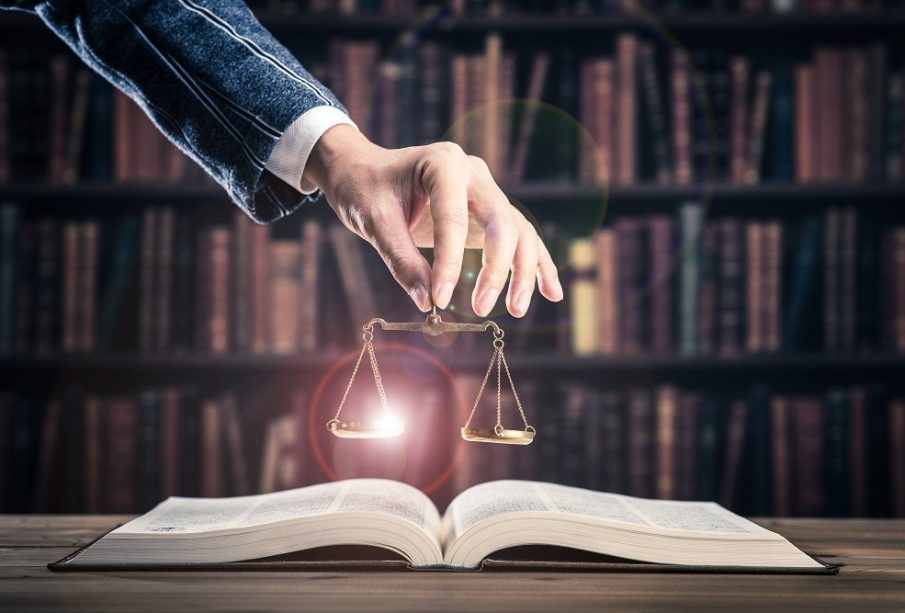
Law is a fundamental pillar of organized societies, guiding behavior, resolving disputes, and ensuring justice. Beyond governing actions, law reflects social values, economic priorities, and political structures. Throughout history, legal systems have evolved to address changing societal needs, technological advancements, and global interactions. Understanding law requires exploring its historical development, classifications, institutions, practical applications, technological integrations, and the ongoing challenges it faces in the modern world.
Historical Development of Law
The evolution of law mirrors the growth of civilization and social organization.
- Ancient Legal Systems: Early codifications, such as the Code of Hammurabi in Mesopotamia and the Twelve Tables in Rome, established written rules to maintain order, protect property, and regulate social behavior.
- Medieval Law: Feudal systems combined customary practices, royal decrees, and religious influence, with common law beginning to emerge in England based on judicial decisions.
- Renaissance and Enlightenment: Legal thought became more structured, emphasizing rationality, individual rights, and codified statutes. Philosophers such as Montesquieu and Locke influenced constitutional frameworks and the separation of powers.
- Modern Legal Systems: Contemporary law blends civil law, common law, and international legal principles. Codified constitutions, statutory laws, and judicial precedents ensure predictability, fairness, and enforcement.
Core Classifications of Law
Law encompasses diverse branches, each addressing specific societal functions.
Criminal Law
- Definition and Purpose: Criminal law governs offenses against the state or society, aiming to punish and deter unlawful behavior.
- Examples of Crimes: Theft, assault, fraud, and homicide are prosecuted to maintain public safety and order.
- Legal Processes: Includes investigation, prosecution, trial, sentencing, and appeals, emphasizing due process and fair representation.
Civil Law
- Definition and Scope: Civil law resolves disputes between individuals, organizations, or governments regarding rights and obligations.
- Common Cases: Contract disputes, property claims, torts, family law, and personal injury cases.
- Remedies: Courts may award damages, enforce contracts, or issue injunctions to restore rights or compensate loss.
Constitutional Law
- Role and Significance: Constitutional law defines the structure of government, protects fundamental rights, and establishes checks and balances.
- Judicial Review: Courts interpret constitutional provisions to ensure legislation and executive actions comply with supreme legal principles.
- Rights Protection: Safeguards freedoms such as speech, religion, equality, and privacy.
Administrative Law
- Function: Regulates the actions of government agencies and ensures accountability in decision-making.
- Scope: Licensing, regulatory compliance, social services, taxation, and administrative hearings.
- Oversight Mechanisms: Courts and tribunals review administrative actions to prevent abuse of power.
International Law
- Global Governance: International law governs relations between states, international organizations, and, increasingly, multinational corporations.
- Key Instruments: Treaties, conventions, customary law, and judicial decisions guide diplomacy, trade, human rights, and conflict resolution.
- Institutions: United Nations, International Court of Justice, and International Criminal Court enforce international legal norms.
Legal Institutions and Their Functions
Effective law depends on structured institutions to interpret, enforce, and regulate legal norms.
- Legislatures: Draft, debate, and enact statutes reflecting societal priorities and public policy.
- Judiciary: Courts adjudicate disputes, interpret laws, and uphold constitutional principles.
- Law Enforcement: Police, regulatory agencies, and investigative bodies implement laws and maintain public order.
- Legal Profession: Lawyers provide representation, advice, and advocacy, bridging the gap between individuals and complex legal systems.
- Correctional Systems: Prisons, rehabilitation programs, and probation services aim to reform offenders and protect society.
Legal Processes and Procedures
Understanding law involves grasping how it operates in practice.
Litigation
- Civil Litigation: Involves filing complaints, discovery, trial proceedings, and appeals to resolve private disputes.
- Criminal Prosecution: Follows investigation, indictment, trial, verdict, and sentencing to address offenses against the state.
- Alternative Dispute Resolution (ADR): Mediation, arbitration, and negotiation provide flexible, cost-effective alternatives to court trials.
Legal Research and Interpretation
- Statutory Analysis: Lawyers and judges interpret legislation, legislative intent, and historical context to apply law effectively.
- Case Law Precedents: Prior judicial decisions guide consistent application of legal principles.
- Legal Doctrines: Concepts such as stare decisis, mens rea, and due process provide foundational reasoning in adjudication.
Enforcement Mechanisms
- Criminal Enforcement: Ensures compliance with laws through fines, imprisonment, or community service.
- Civil Enforcement: Courts enforce contracts, award damages, and issue injunctions to protect rights.
- Regulatory Oversight: Agencies monitor compliance, conduct inspections, and impose penalties for violations.
Technological Integration in Law
Advancements in technology are reshaping legal practice, access, and enforcement.
Legal Research and Case Management
- Digital Databases: Platforms provide comprehensive access to statutes, case law, and legal commentary.
- Artificial Intelligence: AI tools assist in predictive analytics, document review, and legal drafting, increasing efficiency and accuracy.
- Case Management Software: Streamlines court schedules, filings, and client communication.
Online Dispute Resolution
- Virtual Courts: Videoconferencing enables remote hearings, improving accessibility and reducing delays.
- Digital Mediation Platforms: Provide secure environments for negotiation and conflict resolution.
- Blockchain in Law: Ensures secure contracts, transparent transactions, and verifiable records.
Legal Education and Training
- E-Learning Platforms: Offer online courses, simulations, and interactive case studies for law students and professionals.
- Continuing Legal Education (CLE): Ensures legal practitioners stay current with evolving laws and practices.
- Virtual Simulations: Prepare students for courtroom procedures and client interactions in controlled environments.
Societal and Cultural Impact of Law
Law shapes social norms, justice perceptions, and cultural development.
- Protection of Rights: Ensures individuals enjoy freedoms, equality, and protection from abuse or discrimination.
- Economic Stability: Provides legal frameworks for commerce, property rights, contracts, and trade, supporting economic growth.
- Conflict Resolution: Enables peaceful resolution of disputes, preventing violence and fostering societal cohesion.
- Cultural Reflection: Legal systems mirror societal values, adapting to social change, diversity, and global influences.
Challenges Facing the Legal System
Despite its critical role, law faces ongoing challenges in addressing contemporary needs.
- Access to Justice: Economic, geographical, and social barriers limit access for marginalized populations.
- Technological Disruption: Cybercrime, data privacy, and AI-driven issues require updated legislation and enforcement mechanisms.
- Legal Complexity: Increasingly specialized areas of law demand continuous education and adaptation by practitioners.
- Globalization and Jurisdictional Conflicts: Cross-border issues, international commerce, and human rights enforcement create legal complexities.
- Ethical Considerations: Maintaining integrity, impartiality, and public trust in legal institutions remains essential.
Future Trends in Law
The legal field is evolving to meet societal, technological, and global challenges.
- Digital Transformation: Expanded use of AI, blockchain, and online platforms will streamline legal processes and improve efficiency.
- Global Legal Harmonization: International treaties and transnational law facilitate cross-border cooperation in trade, human rights, and environmental protection.
- Legal Innovation and Access: Online legal services, automation, and pro bono initiatives enhance access to justice for underserved communities.
- Specialized Legal Fields: Emerging areas such as cyber law, environmental law, and intellectual property law reflect technological and societal shifts.
- Ethical AI and Regulation: Legal frameworks will increasingly address AI ethics, automation, and the societal implications of emerging technologies.
FAQ Section
What are the main branches of law and their purposes?
Criminal law protects society by penalizing offenses, civil law resolves disputes between individuals or organizations, constitutional law safeguards fundamental rights, administrative law regulates government agencies, and international law governs relations between states and organizations.
How does law influence society?
Law provides order, protects rights, ensures justice, supports economic stability, resolves conflicts, and reflects cultural values.
What role do legal professionals play in the justice system?
Lawyers represent clients, provide legal advice, advocate in court, draft documents, and interpret statutes to ensure fair application of law.
How is technology changing legal practice?
Technology facilitates digital research, AI-assisted analytics, online dispute resolution, virtual hearings, blockchain contracts, and case management systems, enhancing efficiency and accessibility.
What are the challenges in ensuring access to justice?
Economic limitations, geographical barriers, complex legal systems, and lack of awareness prevent equitable access, requiring reforms and technological solutions.
How does international law impact domestic legal systems?
International treaties, conventions, and global regulations influence domestic legislation, guide state behavior, and ensure compliance with international standards.
What is the importance of ethical practice in law?
Ethical conduct ensures fairness, impartiality, accountability, and public trust in legal institutions and practitioners.
How is law adapting to emerging technologies?
Law adapts by regulating cyber activities, data privacy, AI, intellectual property, and digital transactions, ensuring legal protections evolve alongside technological advancements.
Law remains a cornerstone of organized society, balancing individual rights, social order, and governance. Its evolution, integration with technology, and adaptability to global challenges ensure that law continues to protect justice, support economic and social stability, and guide human behavior in complex, modern societies.