The Evolution and Influence of Entertainment in Modern Society
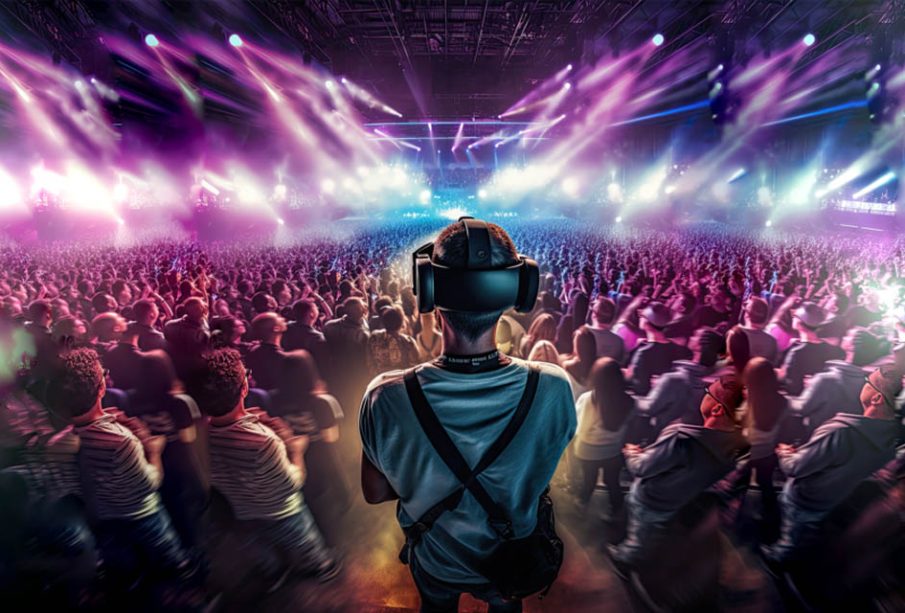
Entertainment plays a vital role in shaping culture, influencing societal trends, and providing individuals with a necessary escape from daily life. From ancient storytelling to immersive digital experiences, the scope of entertainment has expanded dramatically. Today, entertainment is not only a source of leisure but also a significant economic driver, cultural marker, and medium for social connection. Understanding the multifaceted world of entertainment requires examining its historical development, technological transformations, diverse platforms, and its impact on society and economy.
The Historical Development of Entertainment
Entertainment has evolved alongside human civilization, reflecting changes in social structures, cultural norms, and technological capabilities.
- Ancient and Classical Entertainment: Early forms included storytelling, music, dance, and theatrical performances. Ancient Greeks developed drama and theater, introducing concepts like tragedy and comedy, which laid the foundation for modern performing arts.
- Medieval Entertainment: Jousting tournaments, minstrel shows, and folk performances dominated medieval society. Religious and cultural festivals often incorporated entertainment to engage communities and transmit values.
- Renaissance and Enlightenment: Art, theater, and music flourished, with opera, ballet, and elaborate stage productions becoming prominent. These forms emphasized both skill and aesthetic expression.
- Industrial Era Entertainment: The 19th century saw the rise of public concerts, vaudeville, and circuses. Innovations such as photography and early motion pictures began to change how entertainment was produced and consumed.
Modern Entertainment Platforms
Contemporary entertainment spans multiple media, offering audiences immersive and personalized experiences.
Film and Television
- Cinema as a Cultural Force: Films blend storytelling, visuals, and sound to create compelling narratives. Hollywood, Bollywood, and global independent cinema contribute to both entertainment and cultural identity.
- Television Evolution: Television introduced serialized storytelling, reality programming, and live broadcasting, becoming a central household entertainment medium. Streaming platforms now allow on-demand content consumption, reshaping viewing habits.
- Technological Innovations: High-definition visuals, CGI, and interactive storytelling enhance engagement and broaden creative possibilities.
Music and Performing Arts
- Music Industry Dynamics: Digital distribution, streaming services, and global collaborations have expanded music accessibility. Genres evolve, blending cultural influences to reflect societal trends.
- Live Performances: Concerts, theater, and dance remain essential for cultural engagement and shared experiences, creating economic opportunities for performers and venues.
- Technological Integration: Live streaming, VR concerts, and digital instruments offer new forms of musical engagement and production efficiency.
Digital and Interactive Entertainment
- Video Games and E-Sports: Video games have grown into a major entertainment sector, providing narrative, strategy, and social interaction. Competitive e-sports leagues attract massive global audiences and sponsorships.
- Virtual and Augmented Reality: VR and AR create immersive environments for gaming, education, and artistic expression, offering experiences that were previously impossible.
- Social Media Platforms: Platforms like TikTok, YouTube, and Instagram serve as entertainment hubs, allowing user-generated content to reach wide audiences and influence trends.
Literature and Publishing
- Books and Digital Publications: Literature continues to provide intellectual stimulation and escapism. E-books, audiobooks, and online platforms expand accessibility and diversify consumption formats.
- Interactive Storytelling: Digital narratives, including interactive novels and choose-your-own-adventure formats, engage readers in dynamic storytelling experiences.
- Cultural Impact: Literary works shape social consciousness, inspire artistic movements, and preserve cultural heritage.
Economic Impact of the Entertainment Industry
Entertainment is a major global economic driver, influencing employment, tourism, and international trade.
- Revenue Generation: Film, music, gaming, and live events collectively contribute hundreds of billions of dollars to the global economy annually.
- Employment Opportunities: The sector employs actors, musicians, technicians, designers, marketers, and numerous support roles.
- Tourism and Events: Entertainment events like concerts, festivals, and conventions boost local economies through hospitality, transport, and retail.
- Intellectual Property and Merchandising: Franchises, licensing, and merchandise sales create additional revenue streams, reinforcing brand value and cultural reach.
Cultural and Societal Influence
Entertainment shapes societal values, trends, and collective identity.
- Reflection of Society: Media content often mirrors societal issues, sparking discussions about politics, ethics, and social change.
- Cultural Exchange: Globalized entertainment allows cross-cultural exposure, promoting understanding and collaboration between diverse communities.
- Social Interaction: Entertainment fosters community engagement, shared experiences, and digital social networks.
- Influence on Behavior and Lifestyle: Trends in fashion, language, and social norms are frequently influenced by entertainment media, especially among younger demographics.
Technological Transformations in Entertainment
Technology has transformed both the production and consumption of entertainment, creating new opportunities and challenges.
Streaming and On-Demand Services
- Accessibility: Streaming platforms offer instant access to vast content libraries, enabling personalized viewing schedules.
- Data-Driven Content Creation: Analytics guide production decisions, predicting audience preferences and optimizing engagement.
- Subscription and Monetization Models: Subscription services, ad-supported platforms, and hybrid approaches shape industry economics and consumer choice.
Immersive Experiences
- Virtual Reality Experiences: VR allows users to step into interactive environments, blending gaming, education, and artistic expression.
- Augmented Reality Integration: AR overlays digital content onto the real world, enhancing live events, gaming, and marketing campaigns.
- Interactive Storytelling: Platforms enable audiences to influence narratives, deepening engagement and creating personalized experiences.
Artificial Intelligence in Entertainment
- Content Recommendation Engines: AI algorithms suggest music, films, and games based on user behavior, improving engagement.
- Automated Production Tools: AI assists in video editing, sound design, and animation, streamlining creative workflows.
- Audience Analytics: AI identifies trends, predicts success, and informs strategic content development.
Challenges Facing the Entertainment Industry
Despite innovation, the industry faces several significant challenges.
- Piracy and Intellectual Property Theft: Unauthorized distribution affects revenue and intellectual property rights.
- Cultural Sensitivity and Representation: Global audiences demand accurate, inclusive, and diverse content, requiring careful production and marketing strategies.
- Monetization Pressures: Balancing ad revenue, subscriptions, and production costs remains a complex financial challenge.
- Technological Accessibility: Digital divides and varying access to devices and high-speed internet limit audience reach in certain regions.
- Mental Health and Content Saturation: Overconsumption and algorithm-driven content can contribute to stress, addiction, or diminished well-being.
Future Trends in Entertainment
The next decade promises transformative developments, merging creativity with technology.
- AI-Generated Content: AI tools can create music, visuals, and scripts, augmenting creative workflows and offering innovative experiences.
- Metaverse Integration: Virtual worlds and shared online spaces may redefine social interaction, gaming, and live events.
- Sustainability in Production: Eco-friendly production practices and digital content delivery reduce environmental impact.
- Global Collaboration: Cross-border projects and multicultural content reflect global perspectives, expanding audience reach and fostering inclusivity.
- Personalized Experiences: Advanced AI and immersive technologies will enable hyper-personalized entertainment tailored to individual preferences.
FAQ Section
How has technology changed the way we consume entertainment?
Technology has enabled on-demand streaming, immersive VR experiences, interactive storytelling, and personalized recommendations, providing greater accessibility and engagement than traditional media.
What role does entertainment play in cultural exchange?
Entertainment exposes audiences to diverse cultures, languages, and social perspectives, fostering understanding, empathy, and collaboration across global communities.
Why is the entertainment industry considered an economic driver?
It generates substantial revenue, creates employment opportunities, drives tourism, and fuels related industries such as merchandising, technology, and advertising.
How is AI transforming content creation?
AI assists in generating scripts, visuals, music, and interactive experiences, optimizing production workflows and tailoring content to audience preferences.
What challenges do content creators face today?
Creators face issues like piracy, audience saturation, monetization pressures, cultural sensitivity, and maintaining engagement across diverse platforms.
How are immersive technologies shaping entertainment?
Virtual and augmented reality provide interactive and multi-sensory experiences, transforming gaming, concerts, education, and storytelling into immersive environments.
What is the future of live entertainment in a digital age?
Live entertainment will integrate hybrid models, combining in-person and virtual experiences, using technology to reach wider audiences and enhance engagement.
Why is diversity and inclusion important in entertainment?
Inclusive content reflects global audiences, promotes accurate representation, and fosters cultural understanding, enhancing both social impact and market appeal.
Entertainment continues to be a dynamic and influential force, shaping cultural trends, driving economic growth, and creating opportunities for creative expression. Its evolution, fueled by technology, globalization, and shifting audience expectations, ensures that entertainment remains central to human experience, connecting people across borders and generations.