The Evolution and Impact of the Auto Industry
The auto industry has long stood as a cornerstone of global economic growth, innovation, and technological advancement. Vehicles have transformed the way societies operate, influencing urban development, global trade, and even cultural trends. Today, the automotive sector continues to evolve, embracing cutting-edge technologies, sustainability, and consumer-centric innovations. Understanding the depth of this industry requires a detailed look at its historical roots, technological milestones, market dynamics, and future trajectory.
The Historical Development of the Auto Industry
The automobile originated in the late 19th century, following decades of experimentation with steam, electric, and gasoline-powered vehicles. Early pioneers like Karl Benz and Henry Ford redefined personal transportation, laying the foundation for mass production techniques that revolutionized mobility.
- Karl Benz and the First Practical Automobile: In 1886, Karl Benz introduced the Motorwagen, widely recognized as the first practical gasoline-powered car. This invention set the stage for subsequent innovations in engine design and vehicle mechanics.
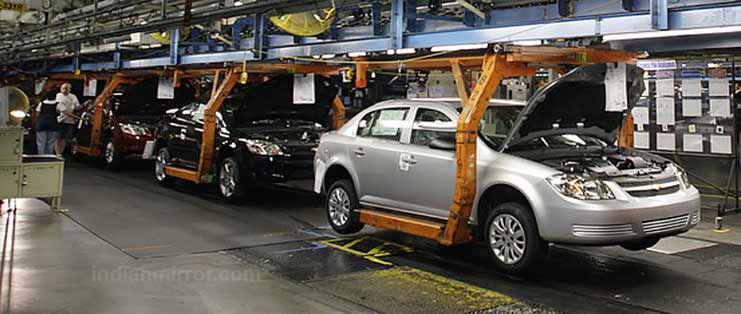
- Henry Ford and Assembly Line Innovation: In 1913, Henry Ford implemented the assembly line for the Model T, drastically reducing production costs and making automobiles accessible to middle-class consumers. This democratization of car ownership reshaped economies and urban planning worldwide.
- Global Expansion: By the mid-20th century, automakers expanded internationally, with Japanese, German, and American brands dominating the global market. Innovations like front-wheel drive, unibody construction, and automatic transmissions fueled industry growth.
Key Components of Modern Automobiles
Modern vehicles are complex systems integrating mechanical, electronic, and digital technologies. Understanding their core components is essential for appreciating industry advancements.
Engine and Powertrain
The engine is the heart of any vehicle. Traditional internal combustion engines (ICE) use gasoline or diesel to generate power, whereas electric vehicles (EVs) rely on electric motors powered by rechargeable batteries. Key trends include:
- Hybrid Systems: Combining ICE with electric motors to improve fuel efficiency and reduce emissions.
- Turbocharging and Direct Injection: Enhancing performance and energy efficiency in gasoline engines.
- EV Advancements: Lithium-ion and solid-state batteries are enabling longer ranges, faster charging, and greater reliability.
Transmission and Drivetrain
The transmission system manages power delivery from the engine to the wheels. Modern innovations include:
- Continuously Variable Transmissions (CVT): Providing smoother acceleration and improved fuel efficiency.
- All-Wheel Drive (AWD) Systems: Enhancing traction, safety, and off-road capability.
- Regenerative Braking in EVs: Recovering energy during deceleration to extend battery life.
Safety and Driver Assistance Systems
Vehicle safety has become a paramount focus, integrating both passive and active technologies:
- Airbags and Crumple Zones: Minimizing injury during collisions.
- Electronic Stability Control (ESC) and Anti-lock Braking Systems (ABS): Enhancing control in emergency scenarios.
- Advanced Driver-Assistance Systems (ADAS): Features like adaptive cruise control, lane-keeping assist, and automated parking are laying the groundwork for autonomous driving.
Environmental Considerations and Sustainability
The auto industry has faced mounting pressure to address environmental concerns, particularly regarding greenhouse gas emissions and resource consumption.
- Emission Regulations: Governments worldwide enforce stringent standards, incentivizing cleaner engines and EV adoption.
- Electric Vehicle Growth: Global EV sales have surged, with major automakers committing to electrification plans and infrastructure development.
- Recycling and Circular Economy: Efforts to recycle batteries, reduce material waste, and optimize supply chains are becoming standard industry practices.
Market Dynamics and Consumer Trends
The automotive sector is shaped by shifting consumer preferences, economic factors, and technological innovation.
- SUV and Crossover Popularity: These segments have overtaken traditional sedans in many markets due to perceived safety and versatility.
- Subscription and Shared Mobility: Services like car subscriptions and ride-sharing challenge traditional ownership models.
- Connectivity and Infotainment: Modern vehicles feature integrated navigation, smartphone connectivity, and over-the-air software updates, enhancing user experience.
Technological Innovations Driving the Auto Industry
The future of automotive engineering is heavily influenced by technology that merges mobility with intelligence.
Autonomous Vehicles
Self-driving cars are progressing from experimental prototypes to commercial pilots:
- Levels of Autonomy: Defined by SAE standards, ranging from driver assistance (Level 1) to full automation (Level 5).
- Sensor Fusion: Lidar, radar, cameras, and AI algorithms work together to interpret the vehicle’s environment.
- Safety and Legal Challenges: While promising, autonomous systems must meet rigorous safety standards and navigate complex regulatory landscapes.
Connected Cars and Smart Infrastructure
Vehicles are increasingly connected to the digital ecosystem:
- Vehicle-to-Vehicle (V2V) and Vehicle-to-Infrastructure (V2I) Communication: Reducing accidents and optimizing traffic flow.
- Data Analytics and Predictive Maintenance: Sensors monitor vehicle health, predicting component failures before they occur.
- Integration with Smart Cities: Cars contribute to urban planning and traffic management in intelligent transportation systems.
Sustainable Energy Integration
Alternative fuels and energy management play a critical role in reducing carbon footprints:
- Hydrogen Fuel Cells: Offering zero-emission alternatives for heavy-duty and long-range vehicles.
- Solar-Assisted Vehicles: Using photovoltaic cells to supplement energy needs and improve efficiency.
- Battery Recycling Programs: Ensuring sustainable material sourcing and reducing environmental impact.
Economic and Global Significance
The automotive sector is a key driver of employment, technological advancement, and global trade:
- Employment Impact: Millions are employed directly and indirectly in manufacturing, logistics, maintenance, and research.
- Industrial Innovation: Automotive research often spills over into aerospace, robotics, and consumer electronics.
- Global Trade: Vehicles and auto components constitute a major segment of international commerce, influencing currency flows, tariffs, and trade agreements.
Challenges Facing the Auto Industry
Despite innovation, the sector faces significant challenges:
- Supply Chain Disruptions: Semiconductor shortages and logistical bottlenecks affect production schedules globally.
- Regulatory Pressure: Stricter emissions and safety requirements require continuous investment and adaptation.
- Consumer Adaptation: Transitioning to EVs and autonomous systems requires infrastructure, education, and behavioral change.
- Cybersecurity Threats: Connected vehicles are vulnerable to hacking, necessitating robust digital security measures.
The Future of the Auto Industry
The automotive industry is poised for a transformative era, driven by electrification, autonomy, and connectivity:
- Electrification Expansion: EV adoption will likely accelerate, supported by charging infrastructure and government incentives.
- Autonomous Mobility Services: Self-driving taxis and delivery vehicles may redefine urban transportation.
- Sustainability as a Standard: Manufacturers are increasingly embedding environmental responsibility into design, production, and end-of-life recycling.
- Artificial Intelligence Integration: AI will optimize vehicle operation, traffic management, and predictive maintenance, leading to safer and more efficient mobility.
FAQ Section
What is the difference between hybrid and fully electric vehicles?
Hybrid vehicles combine an internal combustion engine with an electric motor to improve fuel efficiency, while fully electric vehicles rely solely on battery-powered electric motors, producing zero tailpipe emissions.
How are autonomous vehicles regulated?
Regulations vary globally but generally focus on safety testing, software validation, liability frameworks, and compliance with traffic laws. SAE levels provide a standard classification for automation.
What are the main environmental impacts of traditional vehicles?
Internal combustion engines produce greenhouse gases, contribute to air pollution, and rely on non-renewable fuel sources. Noise pollution and resource-intensive manufacturing processes also add to environmental concerns.
Why are connected cars important for smart cities?
Connected cars communicate with traffic infrastructure and other vehicles to reduce congestion, improve safety, and enable efficient energy use, aligning with urban sustainability goals.
How is the auto industry addressing supply chain challenges?
Automakers are diversifying suppliers, investing in local production, and using digital supply chain management to anticipate disruptions and optimize logistics.
What is regenerative braking and why is it significant?
Regenerative braking captures kinetic energy during deceleration, converting it into electricity to recharge the vehicle’s battery, increasing energy efficiency and extending driving range.
Are hydrogen fuel cells viable for commercial vehicles?
Yes, hydrogen fuel cells provide long-range, zero-emission solutions for heavy-duty vehicles, although infrastructure and production costs remain key challenges.
What trends are shaping consumer preferences in automobiles?
Consumers increasingly value sustainability, connectivity, comfort, safety, and convenience features, influencing vehicle design and technology adoption across global markets.
The auto industry continues to evolve, blending tradition with innovation to meet the demands of modern society. Its technological advancements, environmental initiatives, and global significance underscore its pivotal role in shaping the future of mobility and urban living. This in-depth understanding reveals how vehicles are not just modes of transportation but critical catalysts for economic growth, technological progress, and societal transformation.