The Evolution and Impact of Games in Modern Society
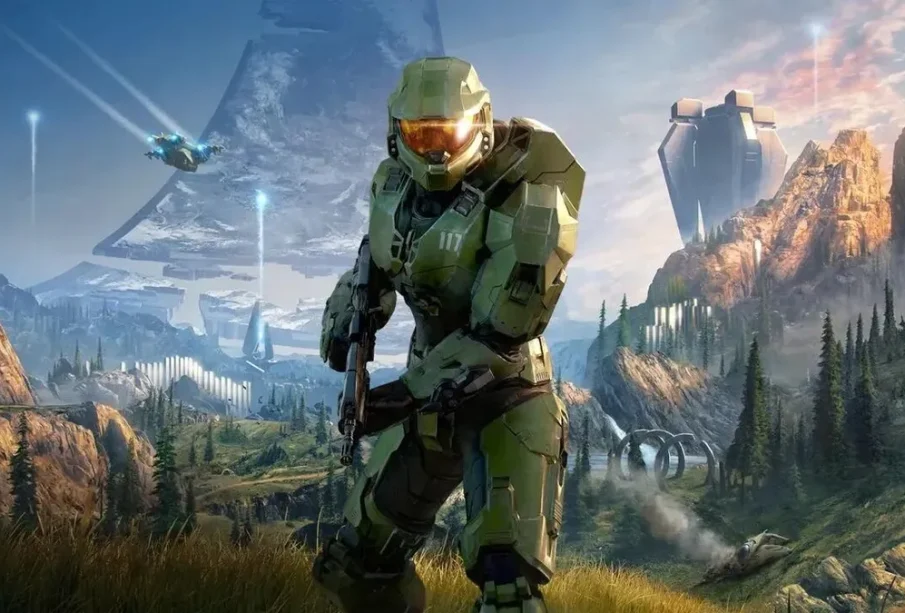
Games have been an integral part of human culture for millennia, serving not only as entertainment but also as tools for socialization, education, and cognitive development. From ancient board games to modern digital experiences, games reflect societal values, technological advancements, and human creativity. Today, the gaming industry has grown into a multi-billion-dollar global enterprise, influencing technology, culture, and economy. Understanding the complexity of games requires examining their historical development, types, technological integration, societal impact, and the challenges and opportunities facing the industry.
Historical Evolution of Games
The history of games is intertwined with human civilization, demonstrating how play has always been central to society.
- Ancient Games: Early civilizations developed games for entertainment, strategy, and ritual. The Royal Game of Ur in Mesopotamia, Senet in Egypt, and Go in China served both recreational and symbolic purposes.
- Medieval and Renaissance Periods: Board games, card games, and early dice games spread across Europe, often reflecting social hierarchies and cultural traditions. Chess evolved as a strategic game that symbolized warfare and leadership.
- Industrial Era: Mass production allowed games like Monopoly, Scrabble, and playing cards to reach wider audiences. Indoor and outdoor games became standardized, supporting leisure and family bonding.
- Digital Revolution: The late 20th century introduced electronic and video games. Early arcade machines, home consoles, and personal computers transformed gaming into an interactive and immersive experience.
Types of Games
Games encompass a wide spectrum, each offering unique experiences and cognitive benefits.
Traditional and Board Games
- Strategy Games: Chess, Go, and Risk require critical thinking, planning, and foresight.
- Word and Trivia Games: Scrabble, Boggle, and trivia challenges enhance vocabulary, memory, and general knowledge.
- Family and Party Games: Games like Monopoly and Pictionary foster social interaction and entertainment.
Physical and Outdoor Games
- Sports and Athletics: Soccer, basketball, and tennis improve physical fitness, coordination, and teamwork.
- Recreational Games: Tag, hide-and-seek, and frisbee encourage social bonding and motor skill development.
- Competitive Play: Organized leagues and tournaments provide structured competition and community engagement.
Digital and Video Games
- Console and PC Games: Platforms like PlayStation, Xbox, and PC support genres including action, simulation, strategy, and role-playing.
- Mobile Gaming: Smartphones have made gaming accessible, integrating social connectivity, casual play, and in-app economies.
- Virtual and Augmented Reality: VR and AR games offer immersive environments, enhancing engagement through realistic simulations.
Educational and Serious Games
- Learning-Based Games: Games designed to teach subjects such as mathematics, language, and science improve retention and engagement.
- Simulation Games: Flight simulators, medical training games, and urban planning simulations provide practical skill development in risk-free environments.
- Gamified Applications: Apps incorporating game mechanics for education, fitness, or productivity leverage motivation and reinforcement strategies.
Cognitive and Social Benefits of Gaming
Games are more than leisure activities; they contribute to cognitive, emotional, and social development.
- Critical Thinking and Problem-Solving: Strategy games encourage planning, resource management, and adaptive thinking.
- Creativity and Imagination: Sandbox games, role-playing, and design-based games stimulate creativity and innovation.
- Social Interaction and Teamwork: Multiplayer games and cooperative challenges foster communication, collaboration, and leadership skills.
- Stress Relief and Mental Health: Engaging gameplay can provide relaxation, improve mood, and support mental well-being.
- Learning Enhancement: Educational games increase retention, engagement, and motivation in diverse learning contexts.
Technological Integration in Games
Advances in technology have transformed both the design and consumption of games.
Artificial Intelligence and Procedural Generation
- Dynamic Environments: AI algorithms create adaptive challenges, intelligent opponents, and unique game worlds.
- Player-Centric Experiences: Machine learning personalizes difficulty, narrative choices, and reward systems based on individual behavior.
- Procedural Content: Randomly generated levels and scenarios increase replayability and creative exploration.
Graphics, Physics, and Simulation
- Realistic Rendering: High-definition graphics and ray tracing enhance immersion and visual fidelity.
- Physics Engines: Simulating real-world behavior of objects, characters, and environments improves authenticity and gameplay satisfaction.
- Interactive Storytelling: Narrative-driven games combine cinematic presentation with interactive choices, influencing emotional and cognitive engagement.
Online Connectivity and Multiplayer Platforms
- Massively Multiplayer Online Games (MMOs): Worlds like World of Warcraft and Fortnite allow thousands of players to interact, cooperate, and compete globally.
- Social Features: Chat, voice communication, and shared achievements foster community and social bonding.
- Cloud Gaming: Streaming games via cloud platforms reduces hardware dependency, increasing accessibility and convenience.
Mobile and Casual Gaming
- Accessibility: Smartphones democratize gaming, reaching broad audiences regardless of location or income.
- Microtransactions and In-App Economies: Developers monetize games through virtual goods, enhancing engagement and revenue streams.
- Cross-Platform Integration: Mobile games often synchronize with consoles and PCs, providing a seamless gaming experience.
Economic Impact of the Gaming Industry
Gaming has evolved into a major global economic driver, influencing technology, media, and entertainment.
- Revenue Generation: The global gaming market generates hundreds of billions of dollars annually through sales, subscriptions, in-game purchases, and advertising.
- Employment Opportunities: Game development, design, marketing, testing, and esports support millions of jobs worldwide.
- Esports and Competitive Gaming: Professional leagues, tournaments, and sponsorships create economic ecosystems around competitive gaming.
- Merchandising and Media Tie-Ins: Franchises expand into movies, merchandise, and music, reinforcing brand value and cultural influence.
Cultural and Societal Influence
Games shape social norms, cultural narratives, and popular culture.
- Cultural Representation: Games reflect historical events, mythologies, and cultural aesthetics, fostering awareness and appreciation.
- Storytelling Medium: Video games merge narrative, interaction, and visual artistry to create emotionally engaging experiences.
- Social Connectivity: Online gaming communities provide social spaces for collaboration, friendship, and shared experiences.
- Influence on Media and Trends: Game-inspired films, literature, and merchandise highlight the reciprocal relationship between gaming and broader culture.
Challenges Facing the Gaming Industry
Despite growth, the gaming sector faces significant challenges.
- Addiction and Overuse: Excessive gaming can affect mental health, sleep, and social relationships.
- Monetization Ethics: Microtransactions, loot boxes, and pay-to-win models raise concerns about fairness and consumer protection.
- Diversity and Representation: Ensuring inclusive characters, storylines, and development teams is a continuing industry focus.
- Cybersecurity Risks: Online gaming platforms are vulnerable to hacking, data breaches, and fraud.
- Regulatory Compliance: Governments monitor age restrictions, content ratings, and online safety, creating compliance challenges for developers.
Future Trends in Gaming
The future of games is shaped by technological innovation, social evolution, and global connectivity.
- Cloud and Streaming Services: Game streaming will reduce hardware dependency and increase access to high-quality experiences.
- Virtual and Augmented Reality Expansion: VR and AR will provide immersive training, education, and entertainment opportunities.
- Artificial Intelligence Integration: AI will enable adaptive narratives, smarter opponents, and personalized gaming experiences.
- Cross-Platform and Mobile Dominance: Seamless integration across devices ensures accessibility and engagement.
- Sustainable and Ethical Gaming: Eco-friendly production, inclusive design, and responsible monetization will gain emphasis.
- Esports and Professional Gaming Growth: Competitive gaming will continue to expand, influencing media, sponsorship, and social culture.
FAQ Section
How have video games evolved from traditional games?
Video games incorporate interactivity, digital environments, and complex narratives, expanding beyond traditional board and physical games to immersive, technology-driven experiences.
What cognitive benefits do games provide?
Games enhance critical thinking, problem-solving, memory, creativity, and decision-making, while also improving coordination and social skills in multiplayer contexts.
How is artificial intelligence used in gaming?
AI personalizes experiences, generates adaptive challenges, predicts player behavior, and creates dynamic, immersive worlds that respond to individual actions.
What is the economic significance of the gaming industry?
Gaming generates significant revenue through sales, subscriptions, esports, and merchandising, creating employment opportunities and influencing global entertainment markets.
Why is diversity important in games?
Diverse characters, storylines, and development teams ensure inclusive representation, enhance cultural relevance, and broaden audience appeal.
How do esports impact society and culture?
Esports promote teamwork, community engagement, and professional opportunities, while influencing media, marketing, and youth culture globally.
What are the health considerations associated with gaming?
Balanced gaming can improve cognitive and social skills, but excessive play may lead to physical inactivity, eye strain, and mental health concerns.
What trends are shaping the future of gaming?
Cloud gaming, VR/AR experiences, AI integration, cross-platform play, ethical monetization, and esports growth are driving the next era of gaming innovation.
Games continue to be a dynamic and influential force, shaping culture, technology, and economy. Their evolution from ancient pastimes to sophisticated digital experiences highlights the intersection of creativity, technology, and human engagement. As gaming expands into immersive, socially connected, and ethically conscious domains, it remains a central element of modern entertainment, learning, and cultural expression.