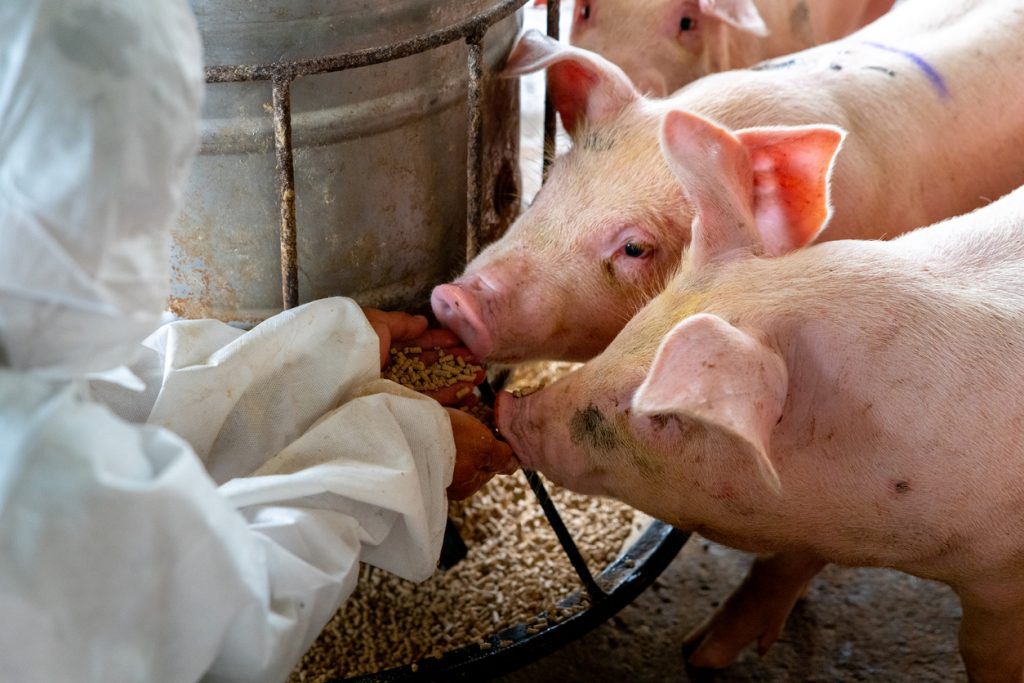
Choosing Fish Food for Reliable Aquaculture Production

Feed is one of the most important decisions in fish farming because it affects growth, health, water quality and the overall cost of production. Farms buying wholesale fish food need to look beyond bulk pricing and consider whether the feed is properly formulated, consistent, suitable for the species being farmed and supported by a reliable supply chain.
Feed Quality Shapes Farm Performance
Fish food is not simply a daily operating expense. It is one of the main factors that determines how well stock grows and how efficiently a farm performs. A good feed should provide the right balance of protein, fat, vitamins, minerals and energy for the species and growth stage.
Different fish have different needs. Young fish may require smaller pellets and higher nutrient density, while larger fish may need a different formulation to support steady growth and final product quality. Using feed that is poorly matched can lead to slow growth, uneven sizing, reduced survival or wasted feed.
This is why farms should treat feed selection as a technical decision, not just a purchasing task. The right product can support healthier stock and more predictable production.
Buying in Bulk Requires Planning
Wholesale purchasing can help farms secure supply and manage costs, but it needs to be planned carefully. Feed should be ordered in quantities that match the farm’s stocking levels, growth cycle and storage capacity.
Buying too much at once can create problems if the feed is not stored properly or used within a suitable period. Heat, moisture and pests can affect feed quality, while poor storage can reduce palatability and nutritional value. If fish are less willing to eat the feed, performance can suffer.
A good ordering plan should take delivery schedules, usage rates and storage conditions into account. Reliable supply is especially important during key growth stages, when inconsistent feeding can disrupt production targets.
Feed Efficiency Matters More Than Price Alone
Price per bag is easy to compare, but it does not show the full value of a feed. A cheaper product may not be cost-effective if fish need more of it to achieve the same growth, or if more feed is wasted.

Feed conversion is a key measure in aquaculture. It looks at how efficiently fish turn feed into body weight. Better feed conversion can reduce waste, improve profitability and support stronger environmental performance.
However, feed efficiency also depends on farm management. Water quality, oxygen levels, stocking density, feeding methods and fish health all play a part. Even high-quality feed needs to be used correctly to deliver the best results.
The Farming System Should Guide the Choice
The right fish food depends on the farming system as well as the species. Pond systems, cages, tanks and recirculating aquaculture systems may all require different pellet behaviour, stability and feeding strategies.
Floating feed may be useful in some systems because it allows farm teams to monitor feeding activity more easily. Sinking feed may suit other species or production methods. Pellet size, density, durability and digestibility all affect how well the feed performs in real conditions.
Farms should also consider water quality. Feed that breaks apart too quickly or is poorly digested can increase waste, which may affect oxygen levels and the health of the stock. Good feed should support both fish nutrition and the wider farming environment.
Supplier Reliability Supports Consistency
Aquaculture production depends on consistency. Farms need feed that performs reliably from batch to batch and suppliers that can deliver when needed. Delays, shortages or sudden changes in feed quality can affect growth schedules and harvest planning.
A strong supplier relationship can also provide technical value. Advice on feeding rates, product selection, storage and performance monitoring can help farms make better decisions throughout the production cycle.
Wholesale fish food should be chosen with long-term results in mind. By focusing on nutrition, storage, efficiency, farming conditions and supplier reliability, aquaculture businesses can support healthier fish, smoother production and better commercial outcomes.