5 Training Shapes for Apple Trees for Sale Every Gardener Should Try
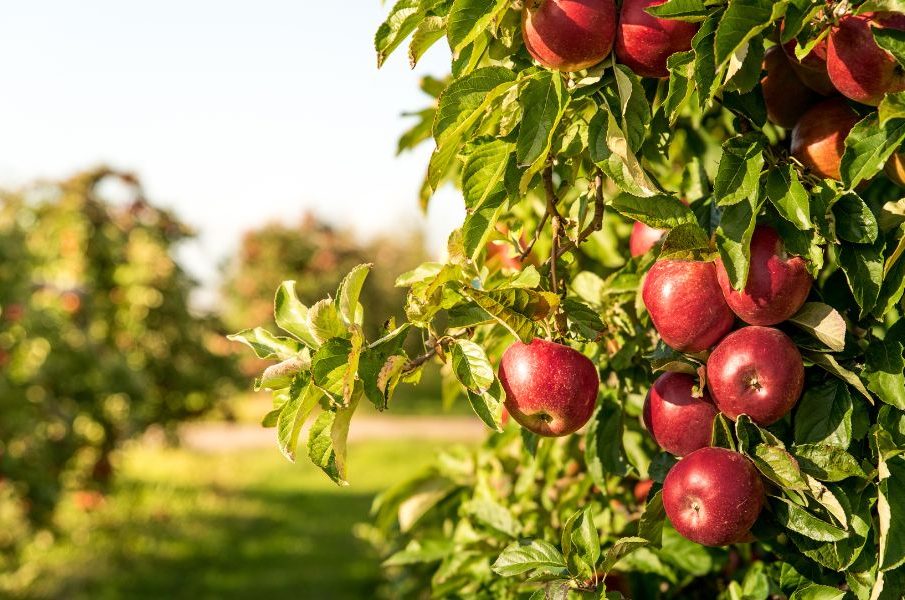
Gardening with fruit trees offers both practical rewards and aesthetic satisfaction, particularly when trees are trained into specific shapes to suit space, style, or productivity needs. Training shapes allow gardeners to maximise limited areas, enhance fruit quality, and create visually appealing garden features. This article explores five training shapes that every gardener, from novice to experienced, should consider for fruit trees, with a focus on apple trees due to their versatility and popularity in British gardens. Each shape is examined for its benefits, suitable varieties, and practical application, ensuring gardeners can make informed choices for their orchards or small spaces.
The Importance of Training Shapes
Training fruit trees involves guiding their growth into specific forms to improve fruit production, ease maintenance, and fit within spatial constraints. In the UK, where garden sizes vary widely, from expansive rural plots to compact urban patios, training shapes provide solutions for diverse needs. Apple trees for sale, in particular, respond well to training due to their adaptable growth habits. By selecting appropriate shapes, gardeners can control tree size, ensure better sunlight exposure for ripening fruit, and simplify tasks like pruning and harvesting. The following advice from a nursery specialist at ChrisBowers highlights the value of this approach: “Carefully trained fruit trees not only enhance garden aesthetics but also improve yield quality by optimising light and air circulation.” For gardeners seeking fruit trees for sale, understanding these shapes can guide decisions on variety and rootstock to match their chosen form.
Espalier: The Classic Wall-Trained Shape
Espalier is a time-honoured training method where fruit trees are grown flat against a wall or fence, with branches trained horizontally in tiers. This shape is ideal for small gardens or urban spaces where vertical surfaces are available. The flat structure maximises sunlight exposure, which is critical for fruit ripening, especially in the UK’s often overcast climate. Apple trees such as Red Falstaff or Cox’s Orange Pippin are excellent choices for espalier due to their moderate vigour and reliable cropping. Pears also thrive in this form, particularly varieties like Conference, which are self-fertile and adaptable to training.
To create an espalier, gardeners start with a young tree, ideally a maiden whip, grafted onto a dwarfing rootstock like M27 for apples. The tree is planted about 20-30 cm from a wall, and a framework of wires is set up to guide branch growth. The main stem is cut back to encourage lateral branches, which are tied to the wires at a 45-degree angle initially, then gradually lowered to horizontal. Pruning occurs in late summer, shortening new side shoots to three or four leaves to maintain the shape and encourage fruiting spurs. Espalier requires patience, as full development can take three to five years, but the result is a productive, space-efficient tree that doubles as a decorative feature. Gardeners purchasing fruit trees for sale should look for young, healthy specimens to ensure successful training.
Cordon: The Space-Saving Column
Cordon training involves growing a single main stem, either vertically or at a 45-degree angle, with short fruiting spurs along its length. This shape is perfect for small gardens, patios, or even container growing, as it occupies minimal ground space. Cordons allow gardeners to plant multiple varieties close together, ensuring good pollination and a range of flavours. Apple varieties like Greensleeves or James Grieve, both partially self-fertile, are well-suited to cordon training due to their compact growth and early fruiting tendencies.
To establish a cordon, plant trees 60-90 cm apart, using a dwarfing rootstock such as M9 for apples. If grown at an angle, a sturdy support like a bamboo cane or wire framework is necessary. After planting, the main stem is pruned back by one-third to encourage spur formation. In subsequent years, summer pruning keeps side shoots short, typically to two or three leaves, maintaining the columnar shape. Cordons are highly productive for their size, often yielding fruit within two years of planting. Their upright form makes them easy to net against birds, a common issue in British gardens. For those exploring fruit trees for sale, cordons offer an accessible entry point for beginners seeking quick results in limited spaces.
Dwarf Pyramid: The Compact Orchard Solution
The dwarf pyramid is a conical shape, with a central stem and tiered branches that taper towards the top, resembling a small Christmas tree. This form is ideal for small gardens or intensive orchards, as trees can be planted as close as 1.5 metres apart. The dwarf pyramid maximises light penetration and air circulation, reducing disease risk and improving fruit quality. Apple trees like Bramley or Red Falstaff thrive in this form, as do pears on Quince C rootstock. The shape suits gardeners who want a traditional orchard feel without requiring vast space.
To form a dwarf pyramid, start with a young tree on a dwarfing rootstock like M26 for apples. After planting, cut the main stem back to about 50 cm from the ground to encourage strong lateral branches. In the first summer, select four or five vigorous shoots to form the lower tier, pruning others back to a few buds. Over subsequent years, annual winter and summer pruning maintain the pyramid shape, with branch leaders cut back to 12-15 cm and side shoots to three or four leaves. This shape is relatively low-maintenance once established, making it appealing for gardeners balancing aesthetics and productivity. Those sourcing fruit trees for sale should prioritise nurseries offering dwarfing rootstocks for optimal results.
Stepover: The Low-Growing Border
Stepover trees are the smallest of trained forms, growing to just 45-50 cm in height and spreading 1.2-1.5 metres wide, forming a T-shape. They are used as edging for paths, borders, or allotments, combining functionality with charm. Stepovers are particularly suited to apples on M27 rootstock or pears on Quince C, with varieties like Discovery or Conference performing well due to their adaptability. Their low height makes them easy to manage and harvest, though yields are modest due to their size.
Creating a stepover begins with a maiden tree planted near a low wire or support. The main stem is cut back to 30-40 cm, encouraging two strong lateral branches to form the horizontal arms. These are tied to a wire to maintain their shape, with regular summer pruning to keep growth compact. Stepovers require minimal space, making them ideal for urban gardens or as dividers in kitchen gardens. They also add a whimsical touch, with spring blossom and autumn fruit creating seasonal interest. Gardeners looking for fruit trees for sale should seek out specialist nurseries that provide stepover-ready trees to simplify the process.
Supercolumn: The Modern Hedge
Supercolumn trees, also known as columnar or minarette trees, are ultra-compact, upright forms that grow to 2-2.5 metres tall and just 45 cm wide. They are perfect for creating fruiting hedges, lining pathways, or growing in containers on patios. Their slender, spur-bearing structure produces fruit along the main stem, making them highly efficient for small spaces. Apple varieties like Katy or Cox’s Orange Pippin are popular choices, as are cherries on Gisela 5 rootstock. Supercolumns are ideal for gardeners wanting a modern, low-maintenance option.
To establish supercolumns, plant trees 45-60 cm apart, using the smallest rootstocks like M27 for apples. A single stake or cane provides initial support, especially in windy areas. Pruning is minimal, with late summer cuts to shorten new side shoots to 10-12 cm and the main leader trimmed by a few inches annually. This maintains the columnar shape and encourages fruiting. Supercolumns are particularly suited to urban gardens, where their verticality adds height without sprawling. For those browsing fruit trees for sale, supercolumns offer a contemporary solution with quick establishment and reliable yields.
Practical Considerations for Training Fruit Trees
Selecting the right training shape depends on several factors, including garden size, available sunlight, and the gardener’s experience level. All five shapes discussed—espalier, cordon, dwarf pyramid, stepover, and supercolumn—benefit from dwarfing rootstocks, which control vigour and ensure manageable sizes. M27 and M9 are ideal for apples, while Quince C suits pears, and Pixy or Gisela 5 work for plums and cherries. Pollination is another critical consideration, as many fruit trees require a compatible partner. Self-fertile varieties like Red Falstaff or Conference simplify this, but planting multiple trees in cordon or supercolumn forms can enhance cross-pollination and extend the harvest season.
Soil preparation is essential for all trained trees. A well-drained, fertile loam enriched with organic matter provides the best foundation. Bare-root trees, planted between November and March, establish more readily than pot-grown specimens, though the latter offer flexibility for year-round planting. Regular watering, especially in the first year, ensures healthy root development. Pruning is a cornerstone of training, with summer cuts controlling growth and winter pruning shaping structure. Clean, sharp tools prevent disease, and cuts should be made just above a bud to encourage healthy regrowth.
Pest and disease management is simplified with trained trees, as their open structures allow better air circulation and easier monitoring. Common issues like apple scab or aphids can be mitigated with resistant varieties or organic controls, such as neem oil. Netting is advisable for cherries and soft fruits to protect against birds. Gardeners should also consider local climate, as the UK’s variable weather can affect fruit set. Sheltered, sunny spots are ideal, though morello cherries or cooking apples like Bramley tolerate partial shade.
Integrating Trained Trees into Garden Design
Beyond their practical benefits, trained fruit trees enhance garden aesthetics. Espaliers create living walls, perfect for dividing spaces or softening hard boundaries. Cordons and supercolumns add vertical interest, ideal for lining pathways or framing views. Dwarf pyramids offer a traditional orchard feel in miniature, while stepovers bring low-level charm to borders. These shapes can be combined with ornamental plants or bulbs to create dynamic, multi-seasonal displays. For example, planting spring bulbs like daffodils beneath a dwarf pyramid adds colour while the tree is dormant.
Trained trees also align with sustainable gardening practices. Their compact forms reduce water and nutrient needs, and homegrown fruit minimises the carbon footprint associated with supermarket produce. Choosing disease-resistant varieties, such as Greensleeves for apples, further reduces reliance on chemical sprays. For gardeners interested in fruit trees for sale, specialist nurseries provide detailed guidance on variety selection and care, ensuring long-term success.
Conclusion and Next Steps
Training fruit trees into specific shapes transforms both the functionality and beauty of a garden. Whether working with a sprawling rural plot or a compact urban patio, the five shapes outlined—espalier, cordon, dwarf pyramid, stepover, and supercolumn—offer versatile solutions. Each shape caters to different space constraints and aesthetic goals while promoting healthy, productive trees. Apple trees, with their adaptability, are a natural choice, though pears, plums, and cherries also thrive in these forms. By selecting appropriate rootstocks, ensuring proper pollination, and following consistent pruning routines, gardeners can enjoy bountiful harvests for years.
For those ready to start, visiting a specialist nursery provides access to high-quality stock and expert advice. Exploring fruit trees for sale from reputable sources ensures healthy, certified trees that establish quickly and yield reliably. With careful planning and minimal maintenance, these training shapes can turn any garden into a fruitful, visually striking space.